
Original Research and Data
Why Does Original Research Work So Well For Building Links?
There are three reasons that original research work GREAT for link building:

First, data helps bloggers and journalists back up their opinions with facts.
for example, I published this ranking factors study a couple of years ago.
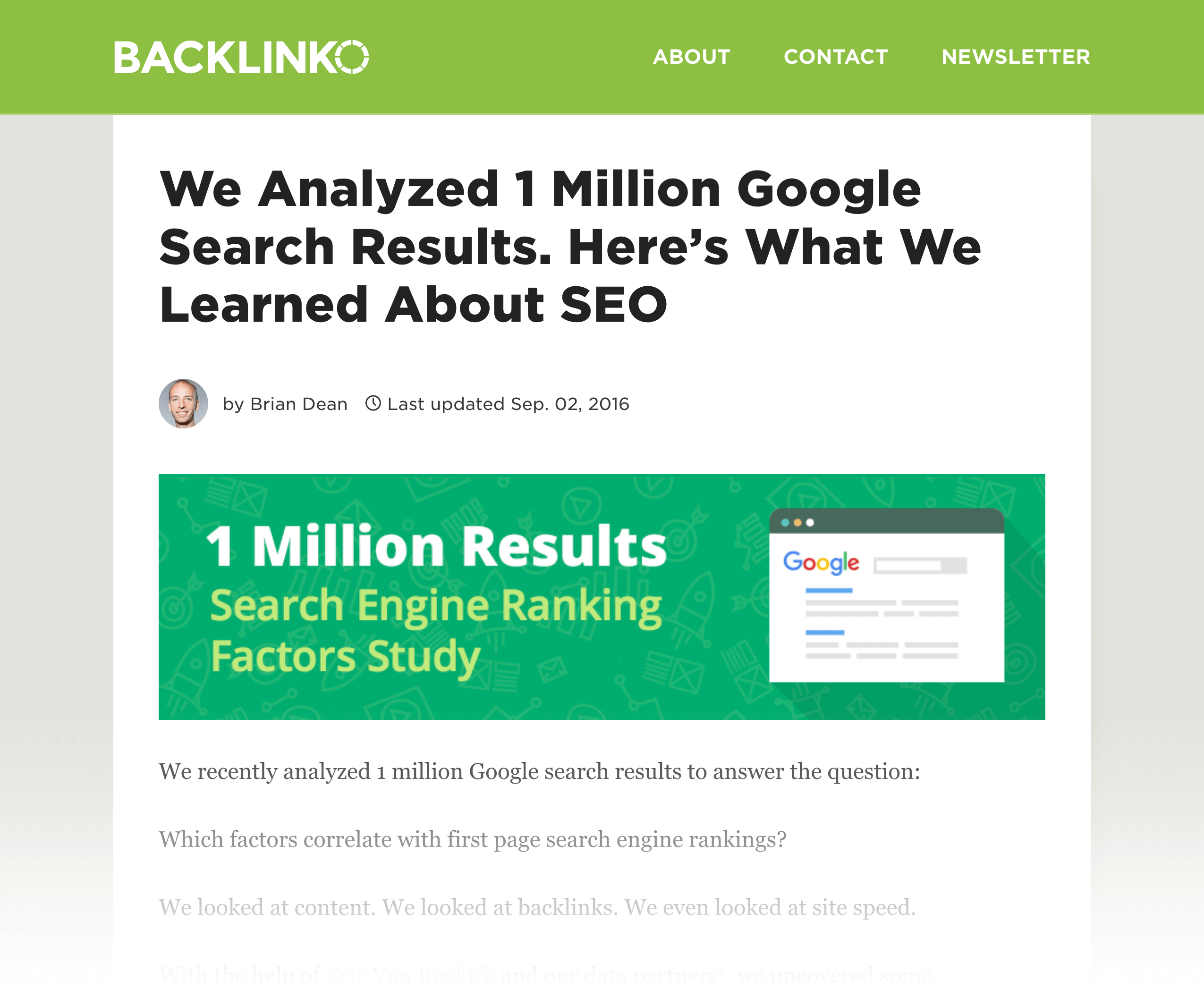
And our data backed up what a lot of content marketing and search engine marketing experts were saying on the time: “Longer content beats short content”.
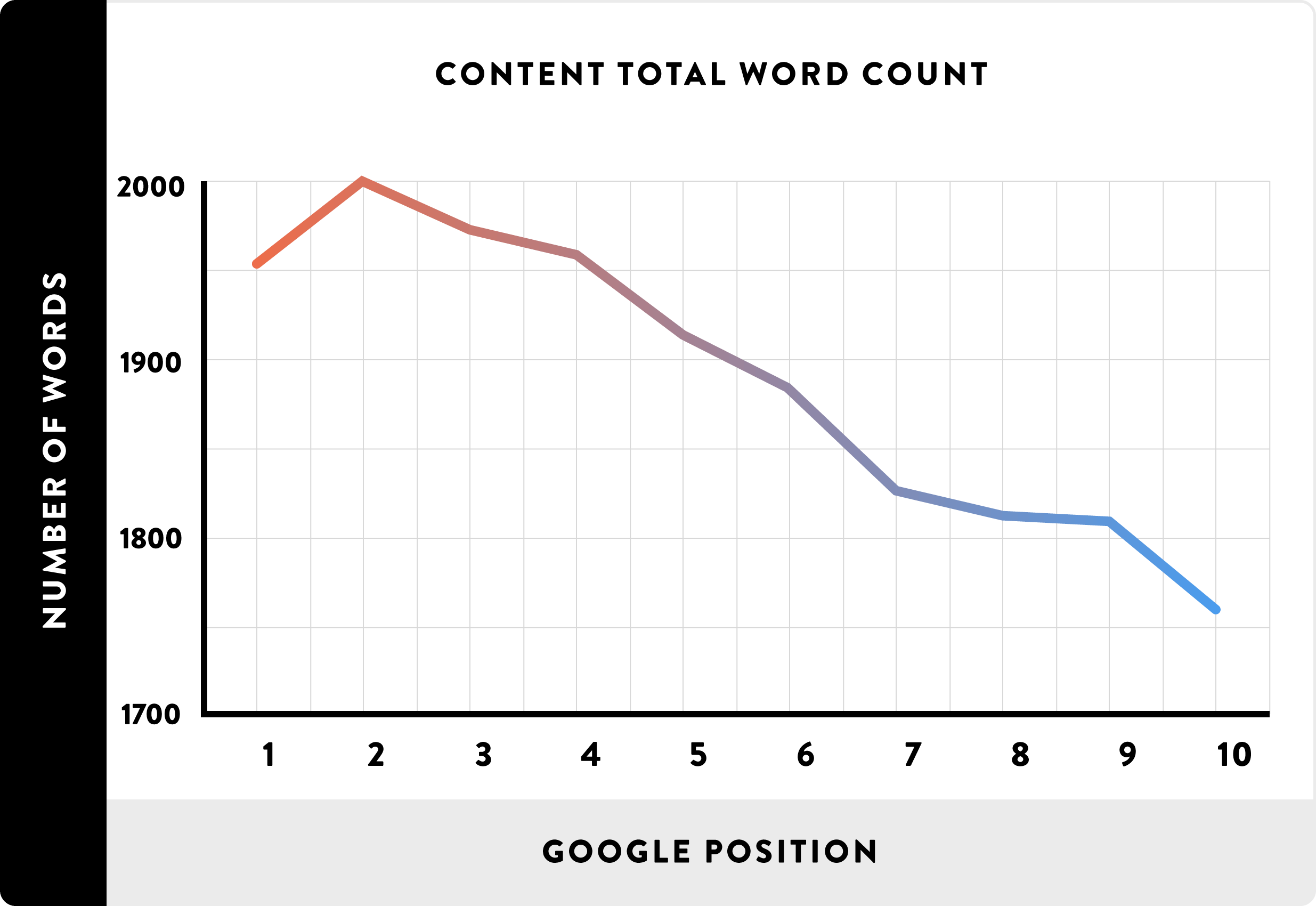
So every time any person must back up their theory with a piece of knowledge, they cite our study:

Second, a research study is legit “unique content”.
In other words, data helps your blog stand out.
Most blogs just rehash the same information. But with a study, your content straight away stands proud and grabs attention.
(Especially if you study something new)
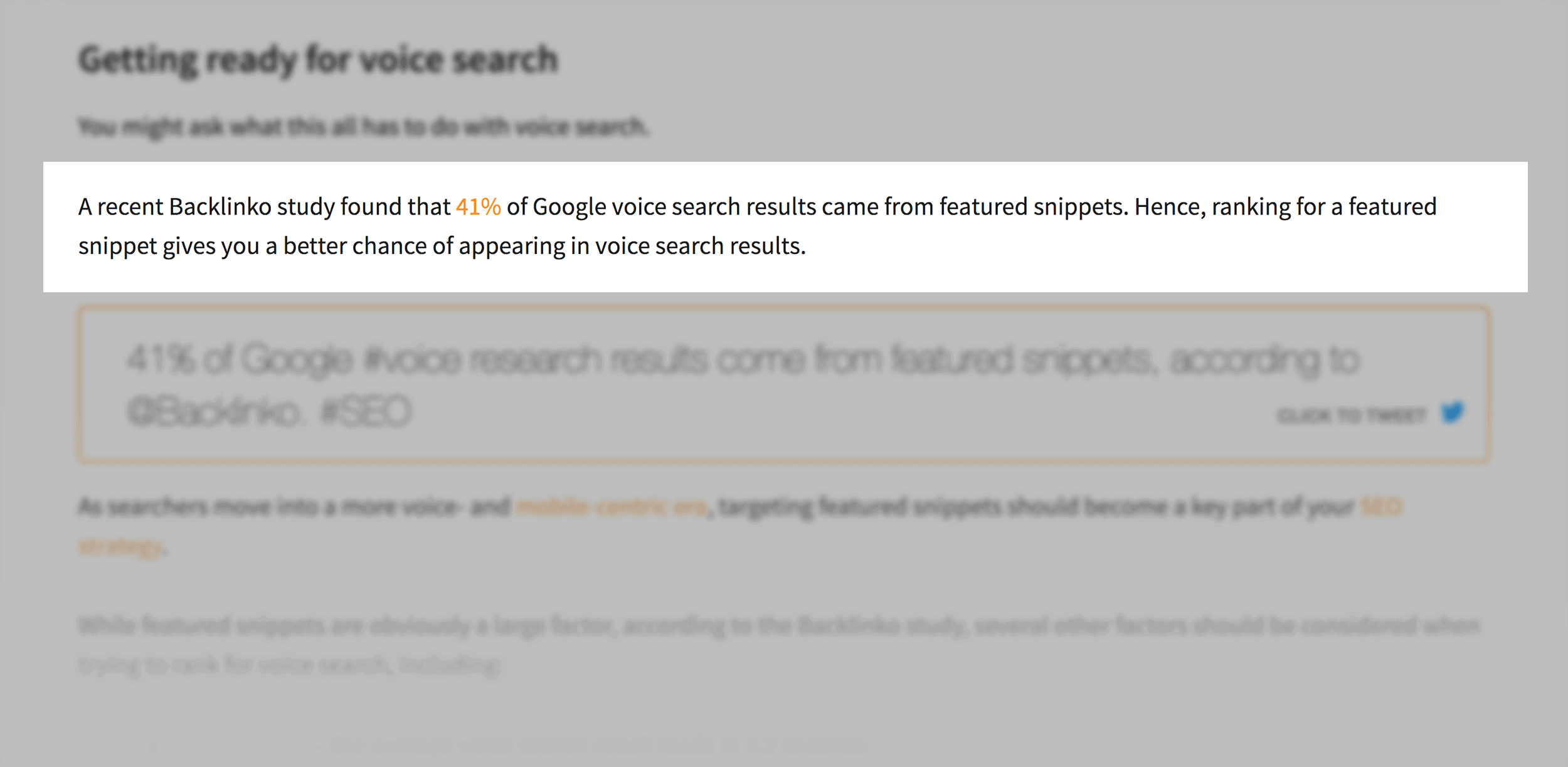
for example, earlier this year we conducted a big scale (10k results) voice search search engine optimization study:
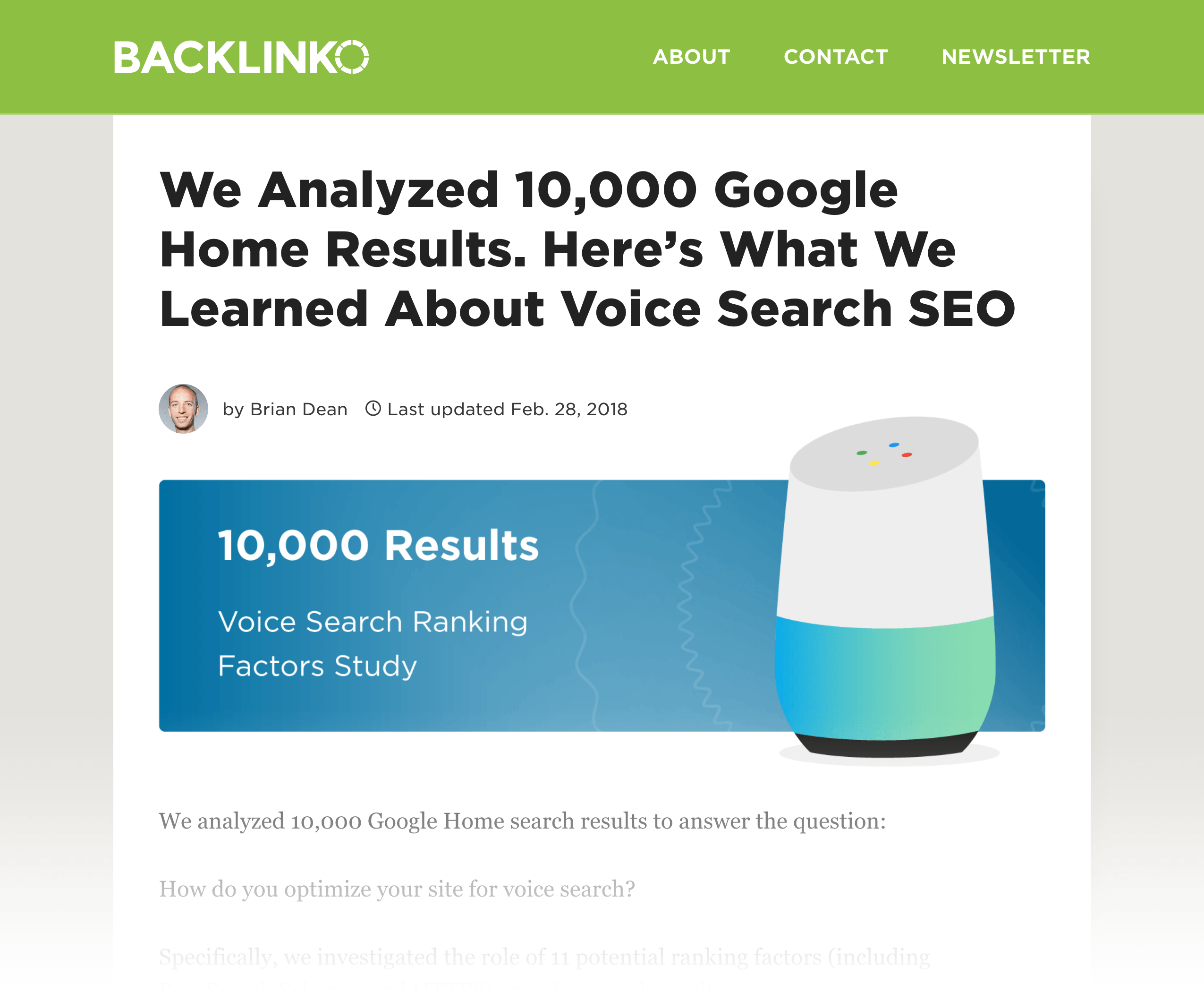
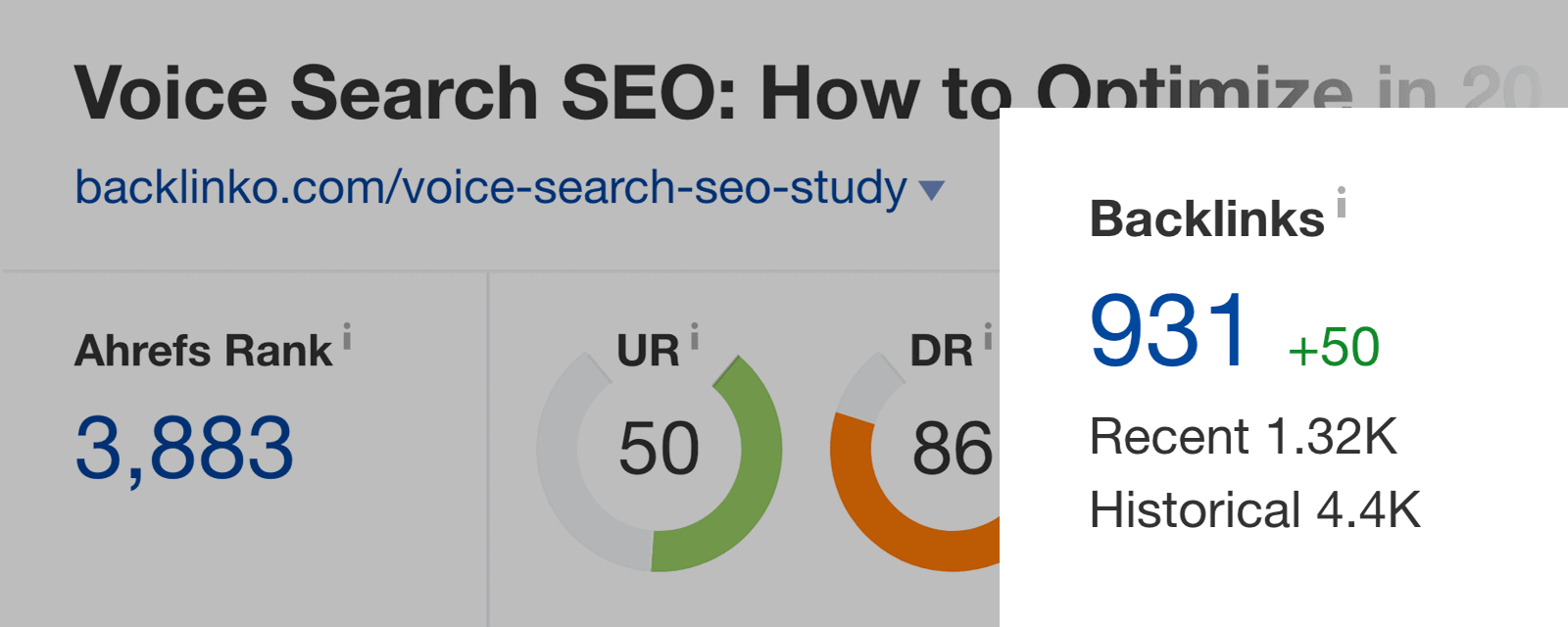
And because no one had done a study like this before, it accumulated dozens of links within weeks:
in the end, original research gives news sites an a “plug and play” story.
So no longer only will other folks mention your research in blog posts… but they sometimes write entire posts about your study.
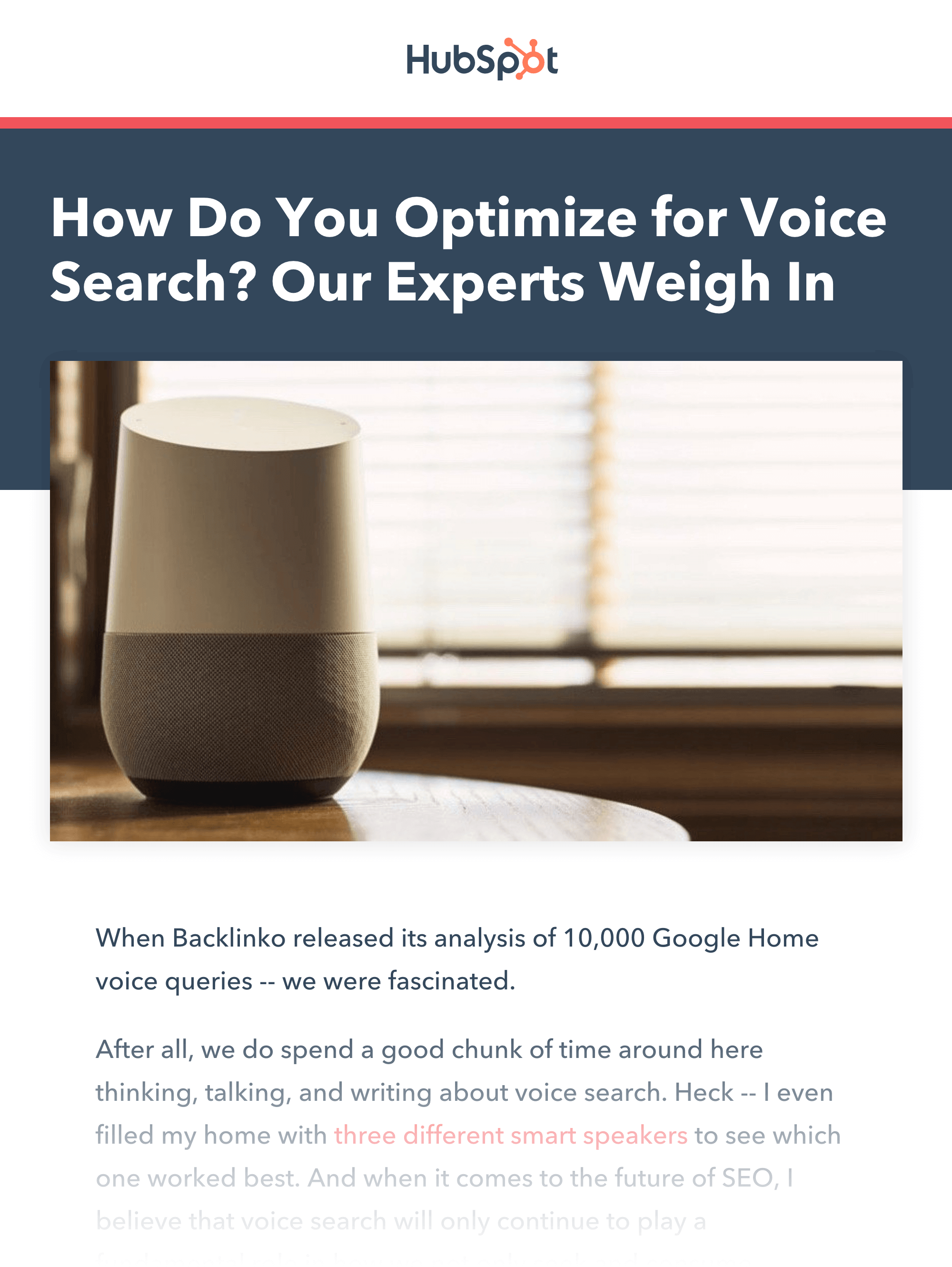
for instance, HubSpot wrote an entire post breaking down my voice search study:
Pretty cool.
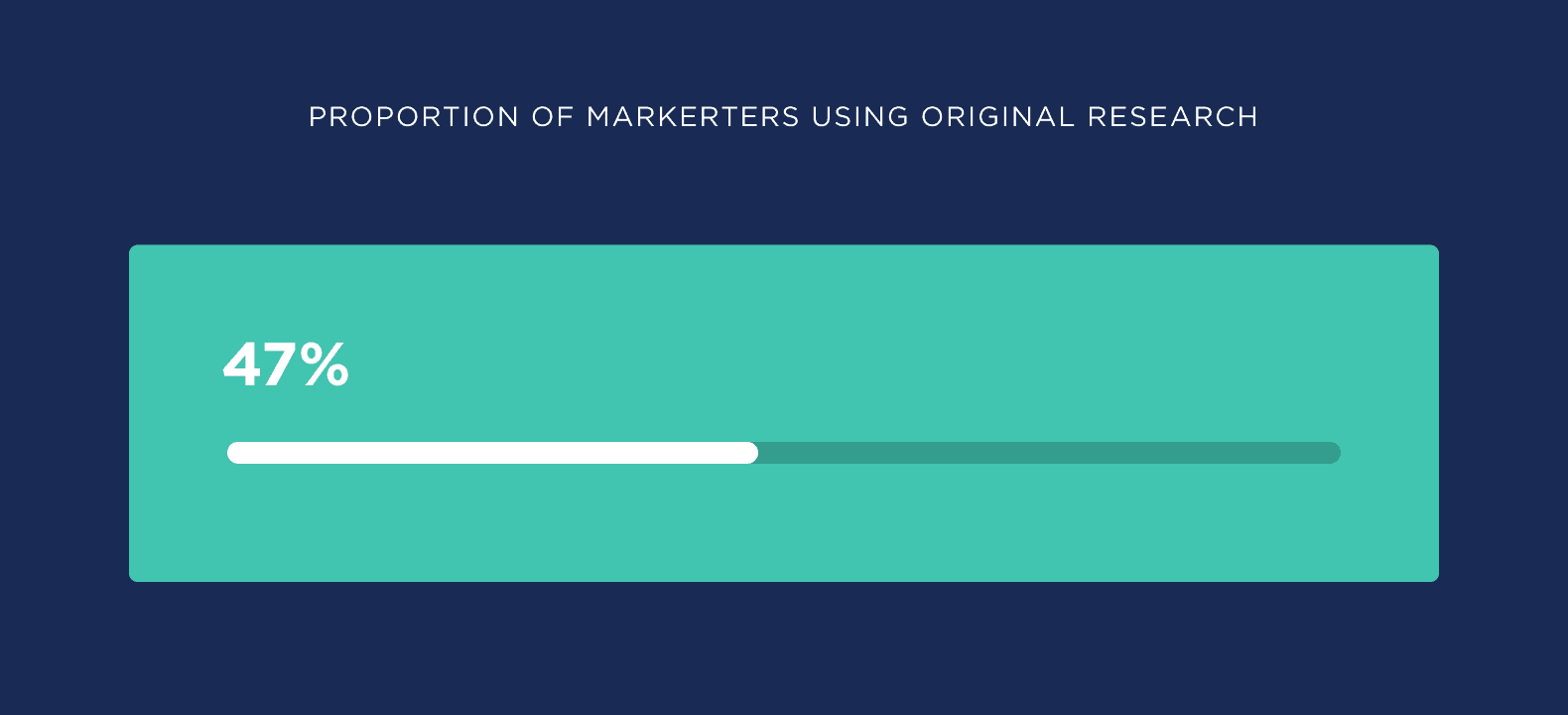
This is probably why that, in line with BuzzSumo, 47% of all marketers are the usage of original research as part of their content marketing:
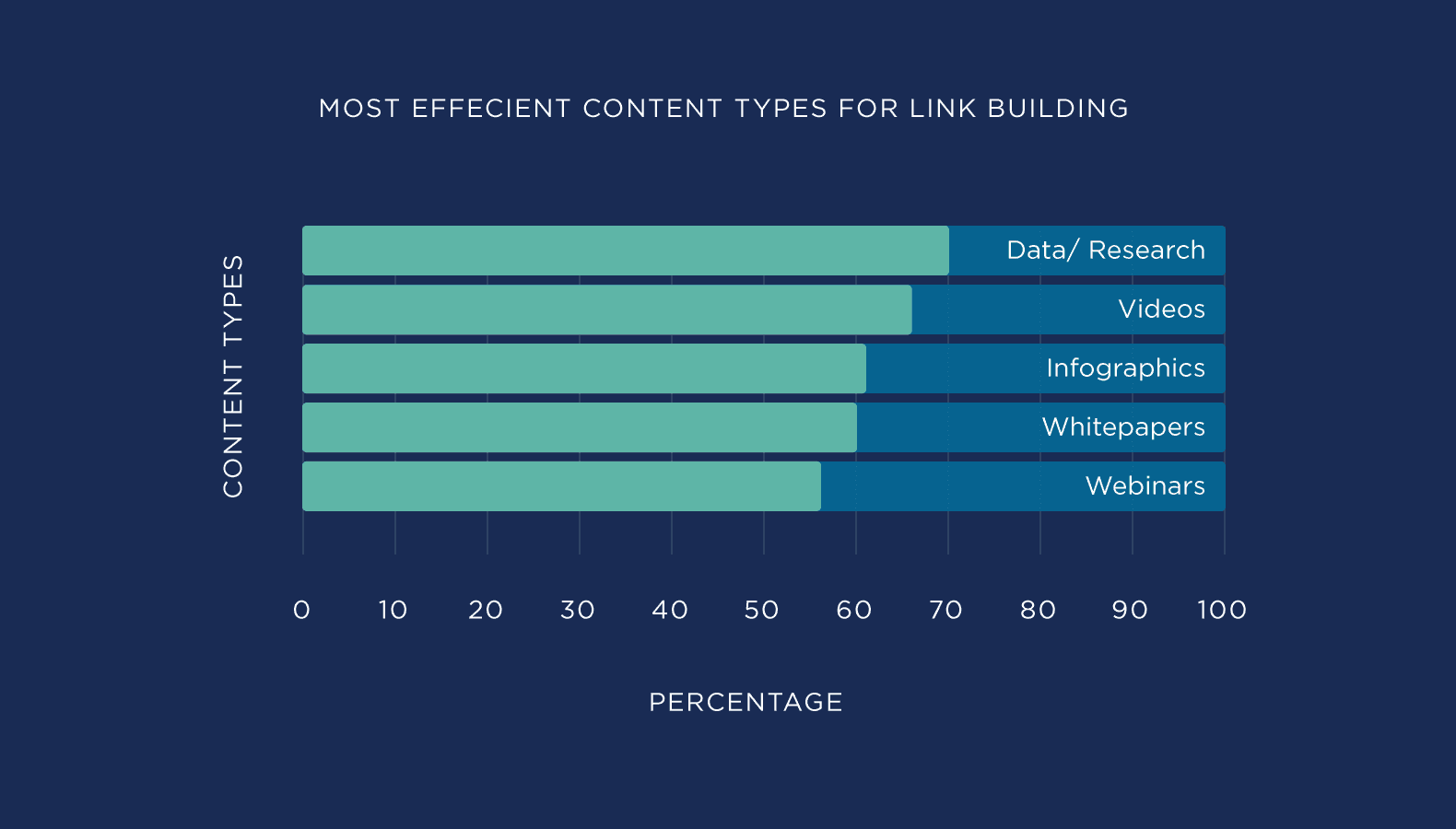
And search engine marketing PowerSuite found that, in relation to link building, data and research crush every other content format out there:
With that, here’s how one can publish original research content.
easiest Practices
discover a Trending Topic
with regards to data-driven content, your topic is everything.
Specifically, you would like to find a subject matter that’s growing in popularity. That way, journalists and bloggers will want to cover your study.
How do you find a trending topic?
- Google Trends: Just pop a potential topic into Google Trends and see whether it’s growing or shrinking in popularity. If the road is moving up and to the precise, you’re golden.

- BuzzSumo: This time, type a broad keyword into BuzzSumo. For example, if you’re within the content marketing niche, you’d put “content marketing” into the tool. Then, identify subtopics which are getting quite a lot of shares. These are hot topics that can work really well as a research study.

- Twitter: This isn’t as precise as BuzzSumo or Google Trends. But you'll infrequently find white hot topics with Twitter search. Just you'll want to confirm that the topic has long-term interest using Google Trends and BuzzSumo.
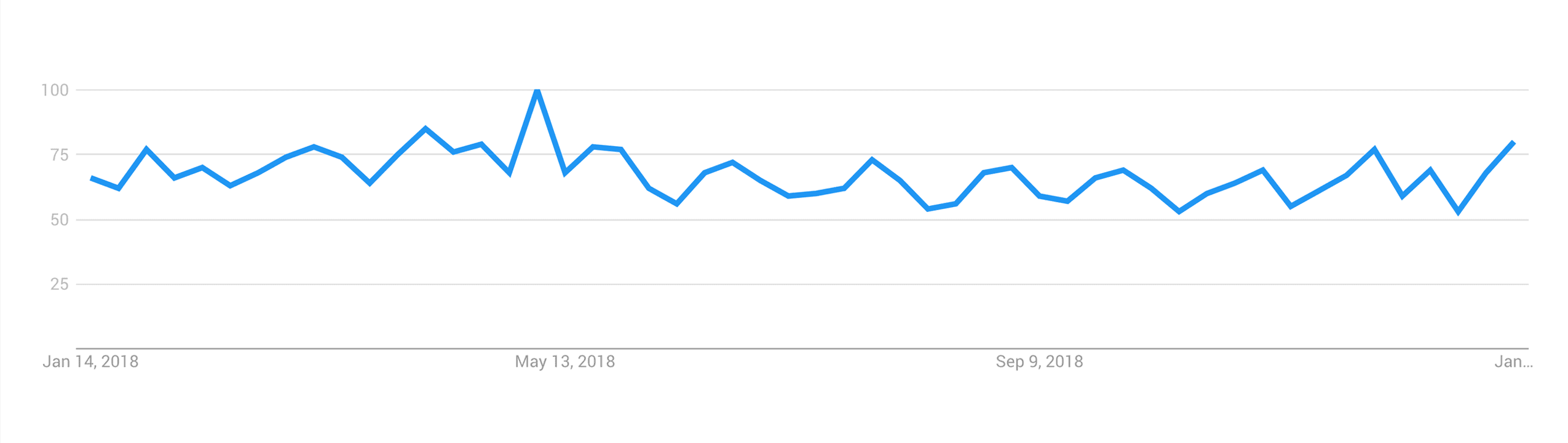
for example, I noticed that “voice search” was a growing topic within the SEO and content world.
And Google Trends confirmed that interest used to be stable over the last year:
That’s why I decided to move all-in on a study on that topic.
And because interest in voice search optimization was once blowing up, we gave all of those blog posts something concrete to speak about:
Publish as a Blog Post
if you want to get the plenty of links out of your study, don’t publish the consequences as a PDF whitepaper.
as a substitute, reveal your ends up in a blog post.
as an example, let’s look again at my Google ranking factors study:
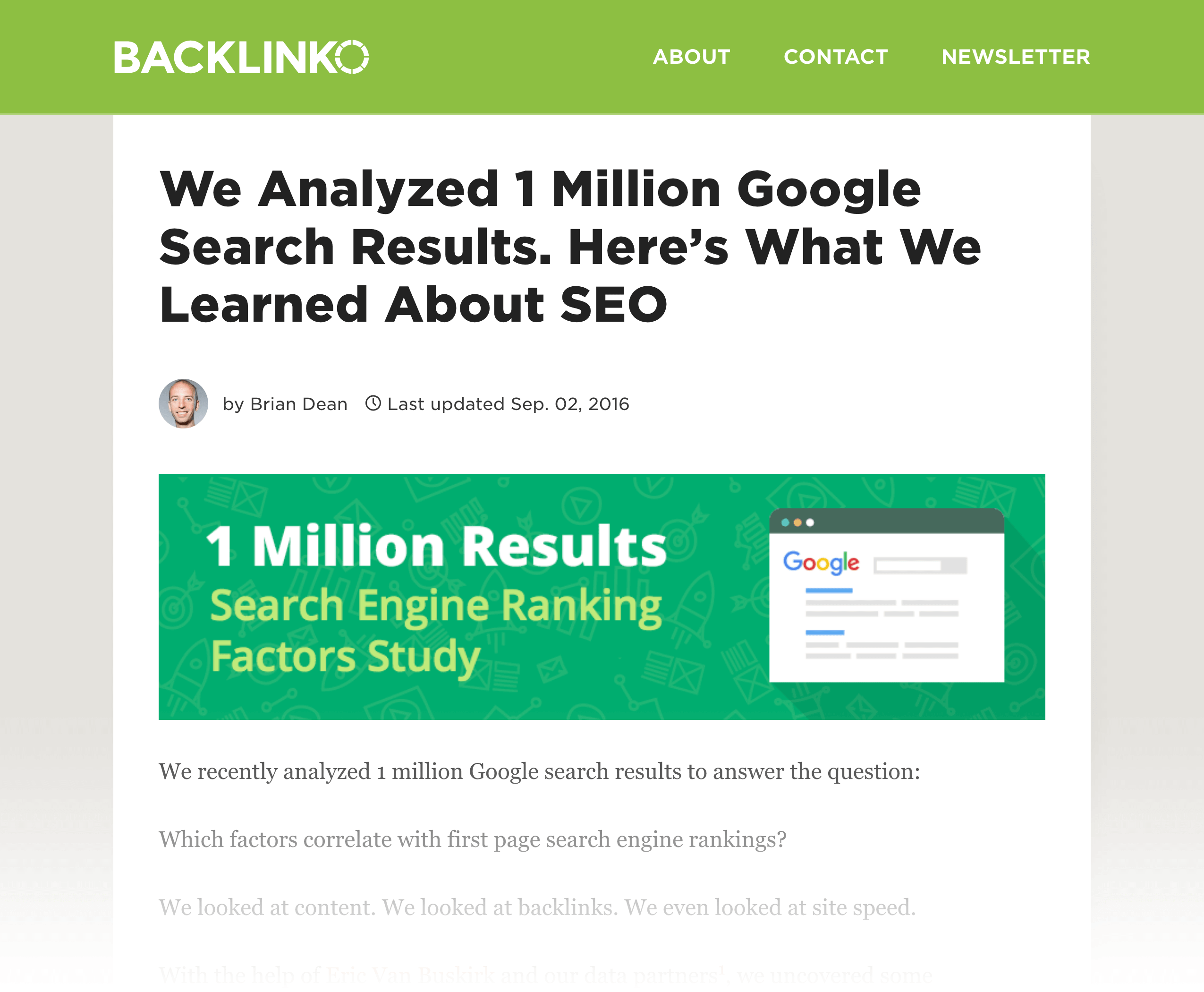
since the results are in the form of a blog post, other folks can easily share, find and link to it.
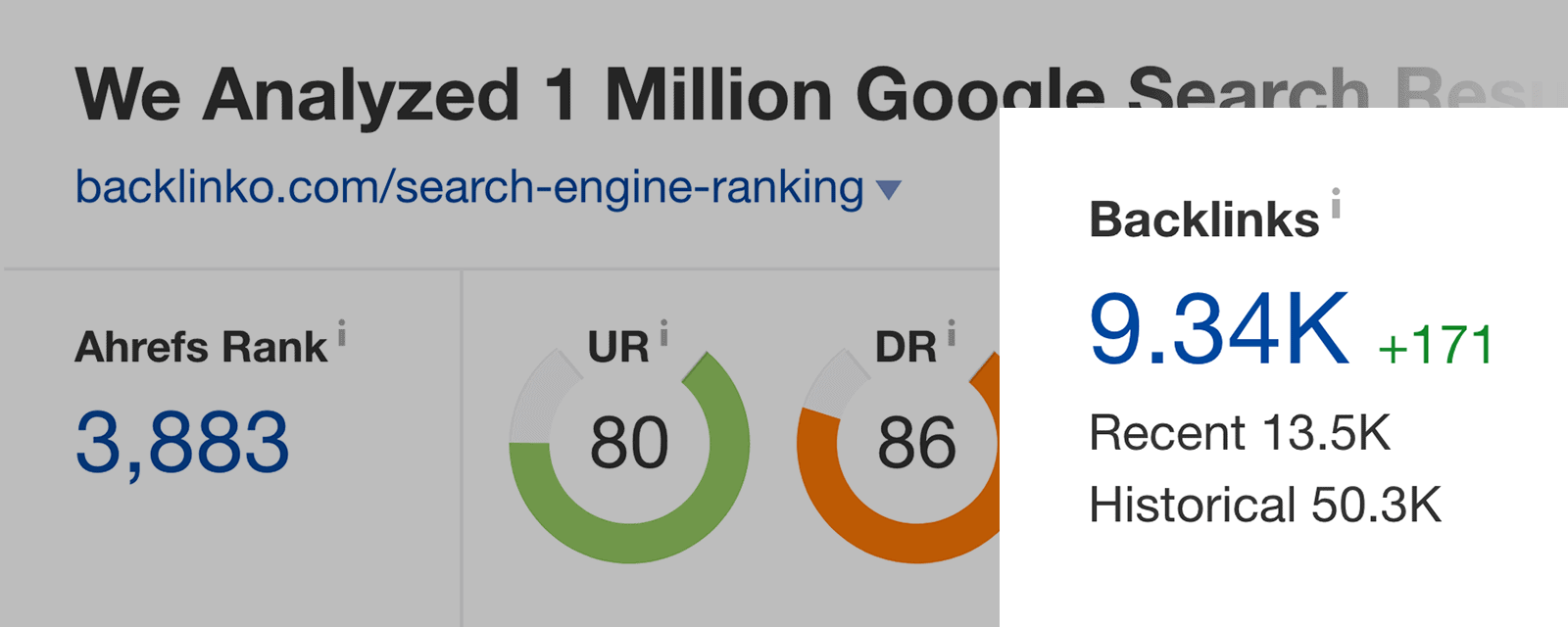
if truth be told, 9.34K other folks have linked to that study:
Contrast that with a an identical well-done study by SEMRush.
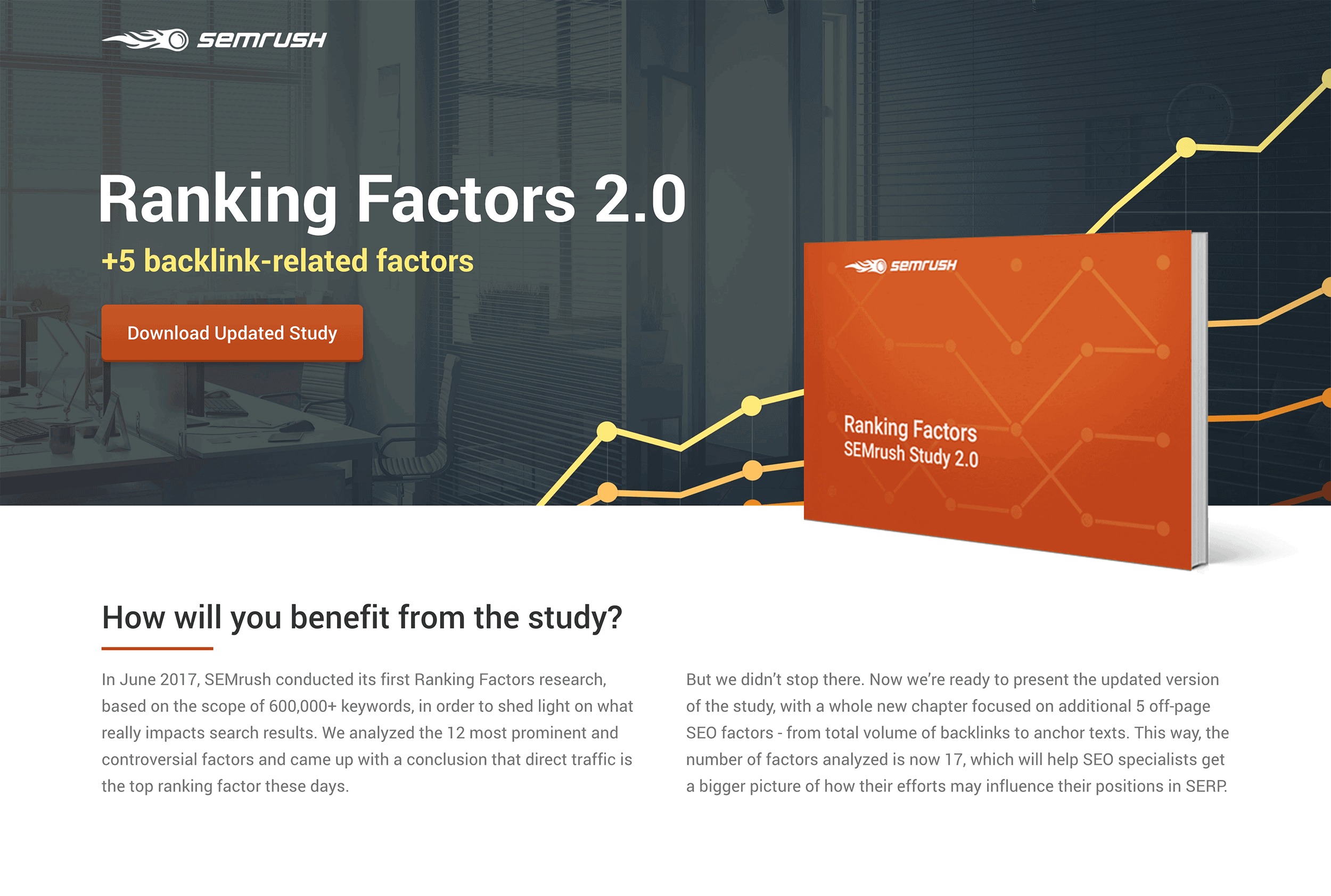
They do report some of their findings publicly:
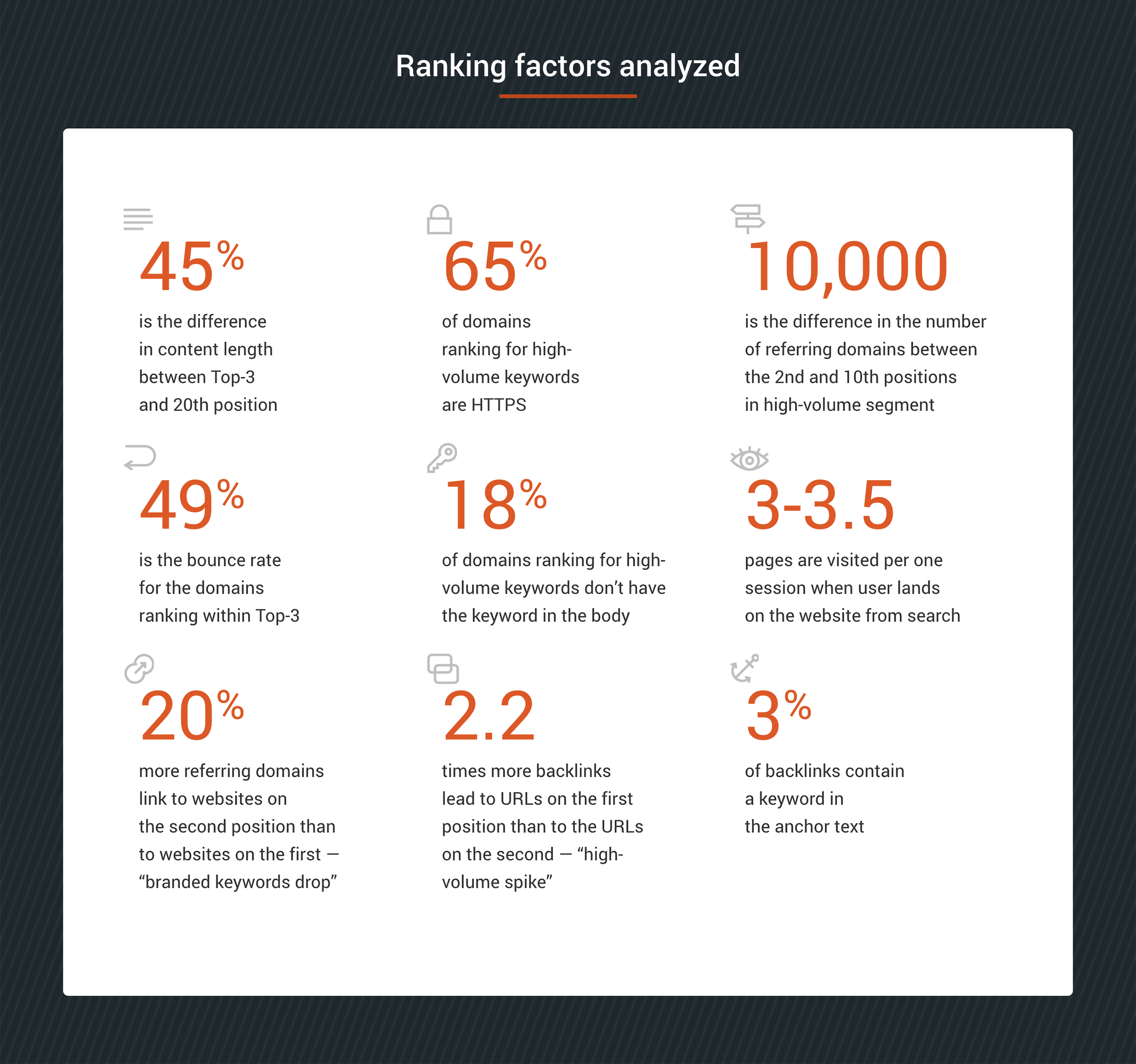
But it's important to enter your name and email to get get right of entry to to everything:

and because of that, this study has picked up significantly fewer links than we did:
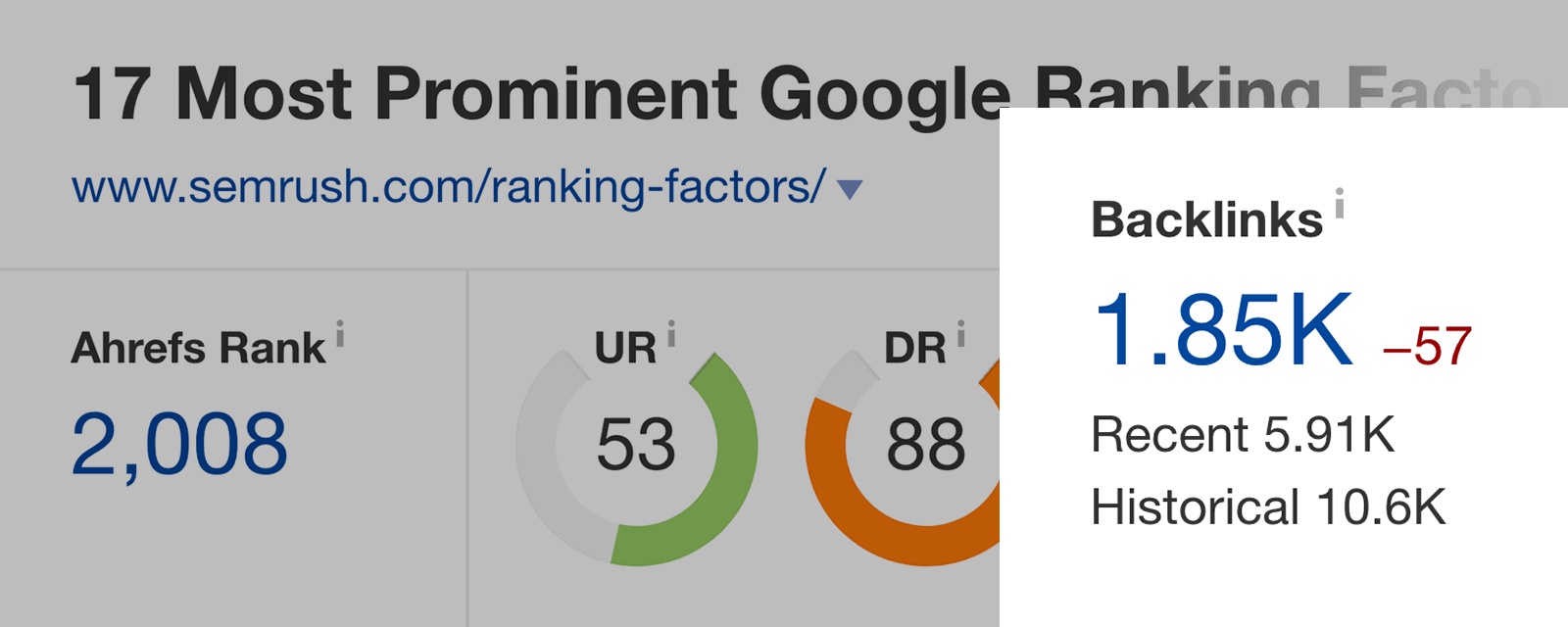
(Note: despite the fact that the SEMRush results are only to be had as a downloadable PDF, 700 sites have linked the sign up page. Which is a lot. This goes to turn how powerful original data can be)
If your no 1 goal together with your study is to build your email list, this approach might make sense. But with regards to building links, you without a doubt want to publish everything in a blog post.
Pro Tip: Optimize post around keywords that bloggers and journalists search for (like “SEO statistics” or “YouTube Ranking factors”). That way, on every occasion any individual needs a statistic for an article, they’ll find your study.
Go Big
Use the most important sample size you possibly can.
Why?
First, large sample size=stronger statistical significance. In other words, it makes your data more reliable.
Second, large numbers attract more attention.
as an example, considered one of the reasons my YouTube ranking factors study did so well is the truth that we analyzed 1,000,000 results:
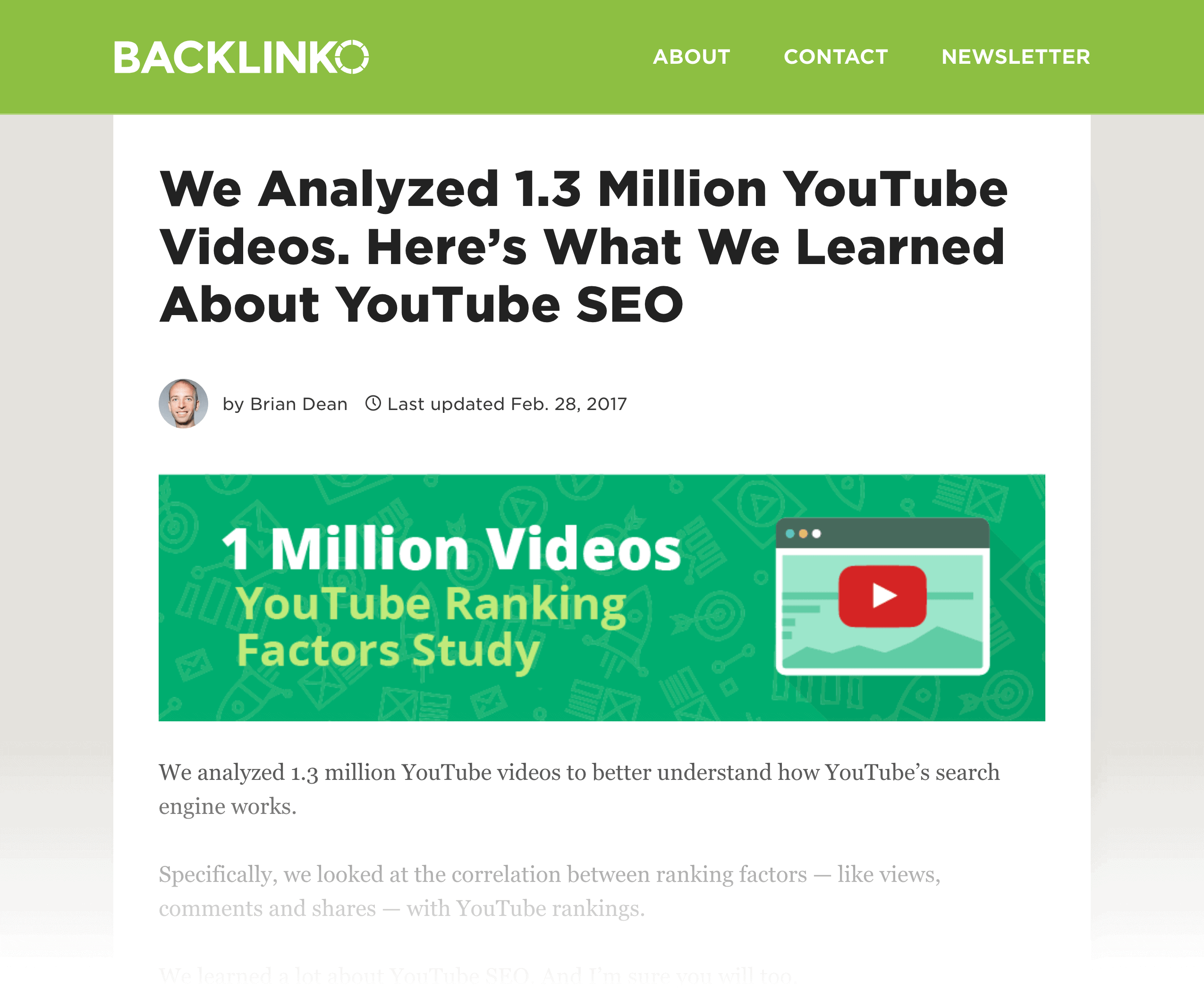
the massive sample size ensured that our findings were reliable and no longer just a fluke:
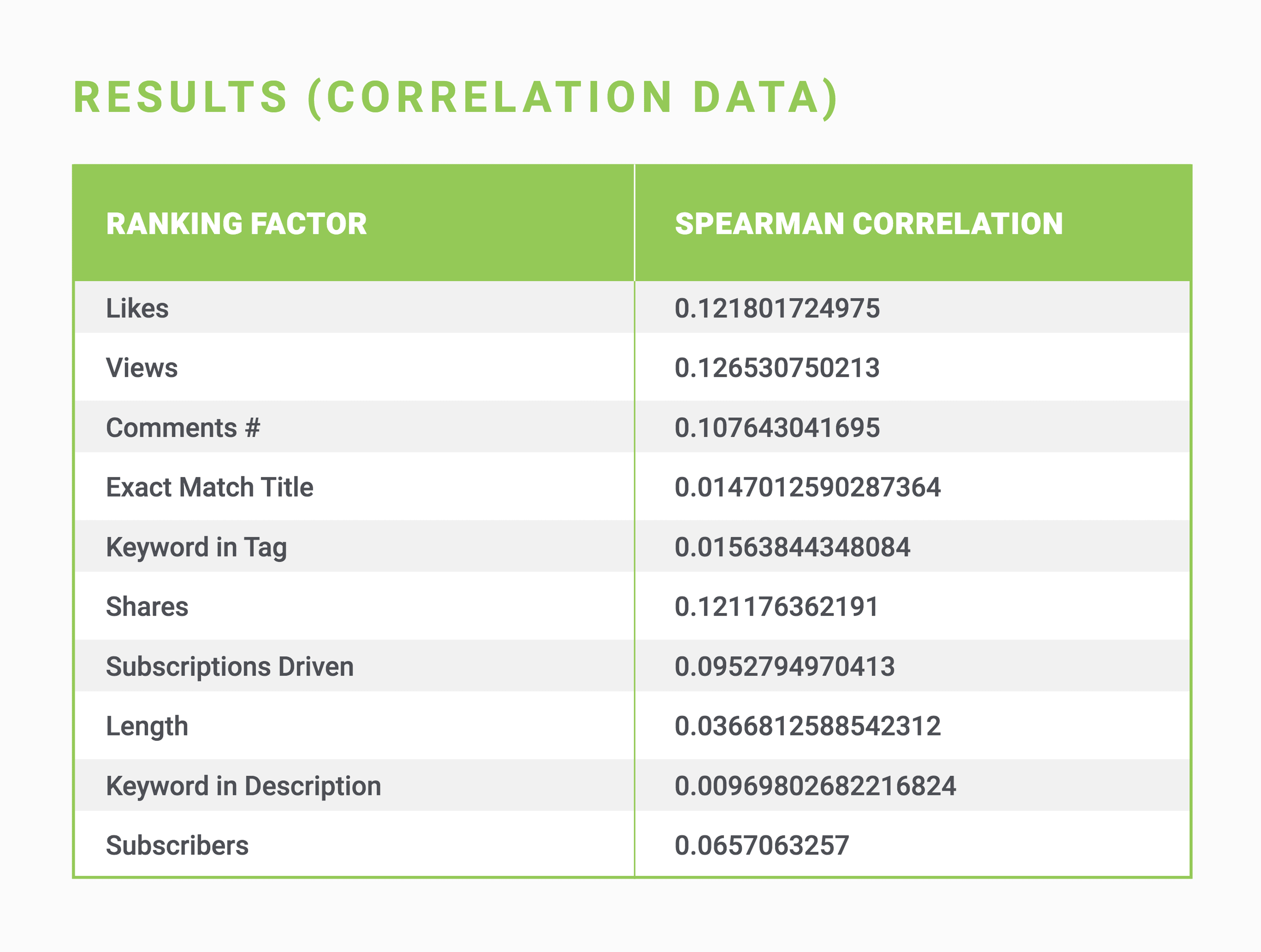
the truth that we analyzed 1.3 million results (which was far more than another study available in the market on the time) also grabbed people’s attention:
Report Bite Sized Stats
Bite sized stats give bloggers something concrete to incorporate in their blog posts.
for instance, in our voice search study we reported this stat:
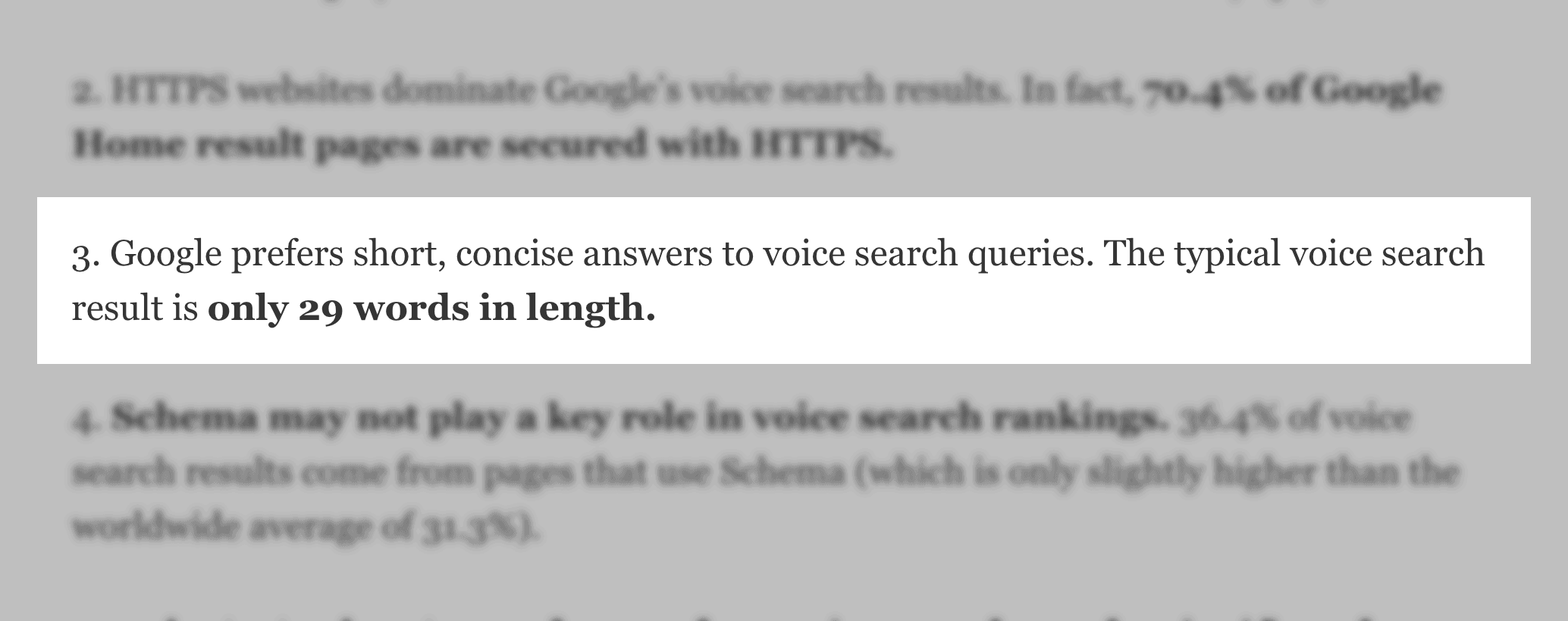
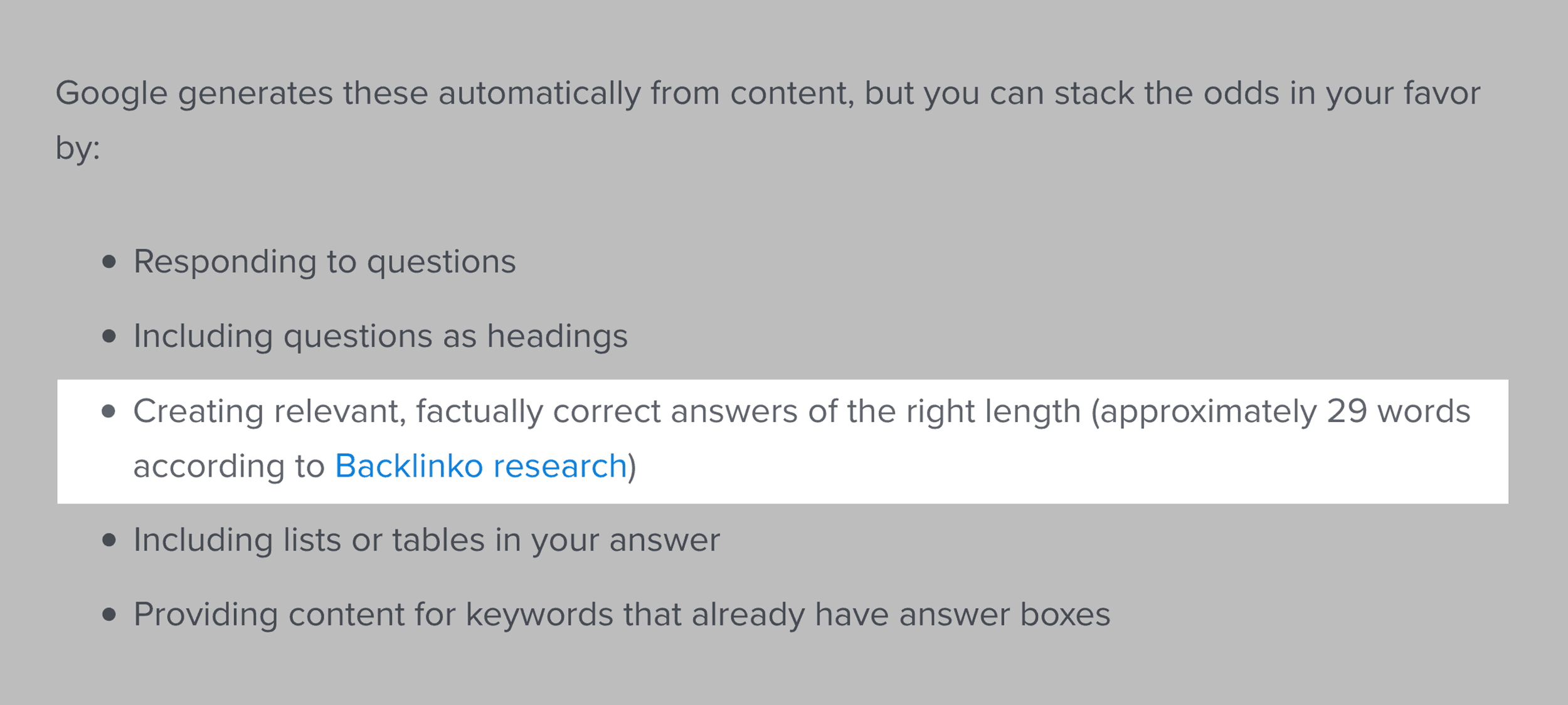
Which gave bloggers an easy tip they could reference in their content:
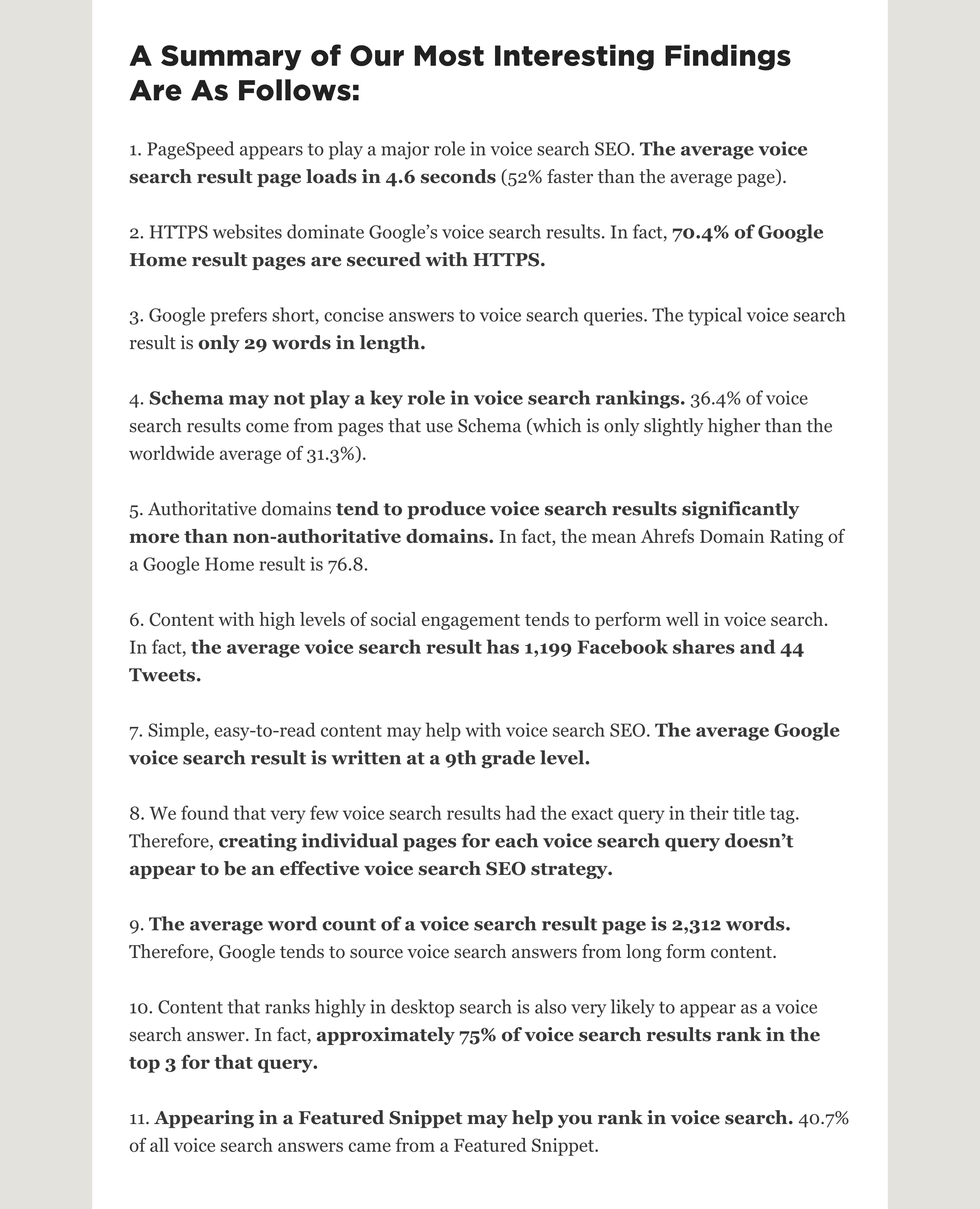
actually, I recommend including a list of bite sized statistics initially or end of your results.
Provide Embeddable Visuals
Visualize your data with charts, graphs, infographics and videos.
First off, visuals make your data easier to understand:
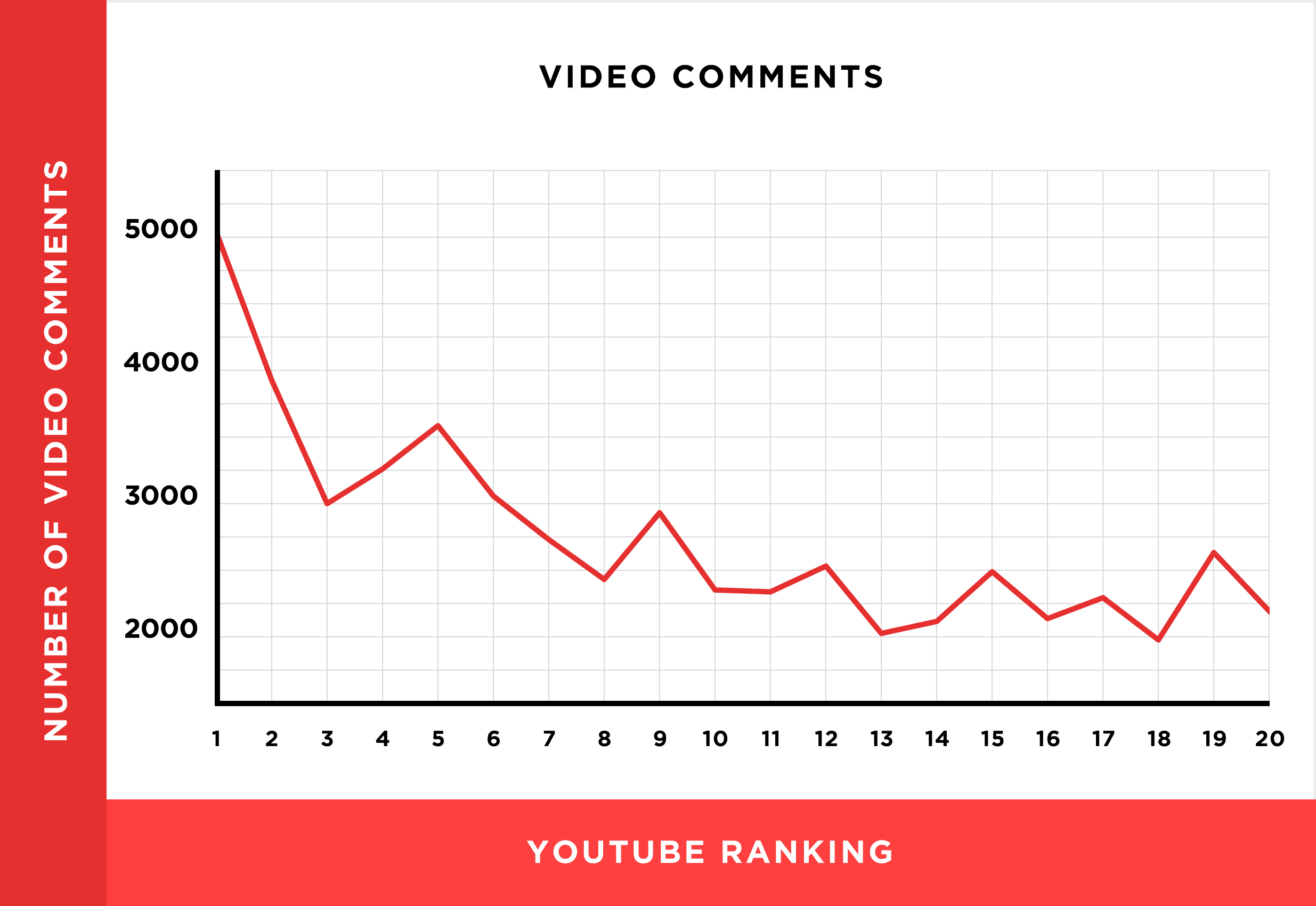
Second, just like with a bite sized statistic, other folks will use your visuals in their blog posts:
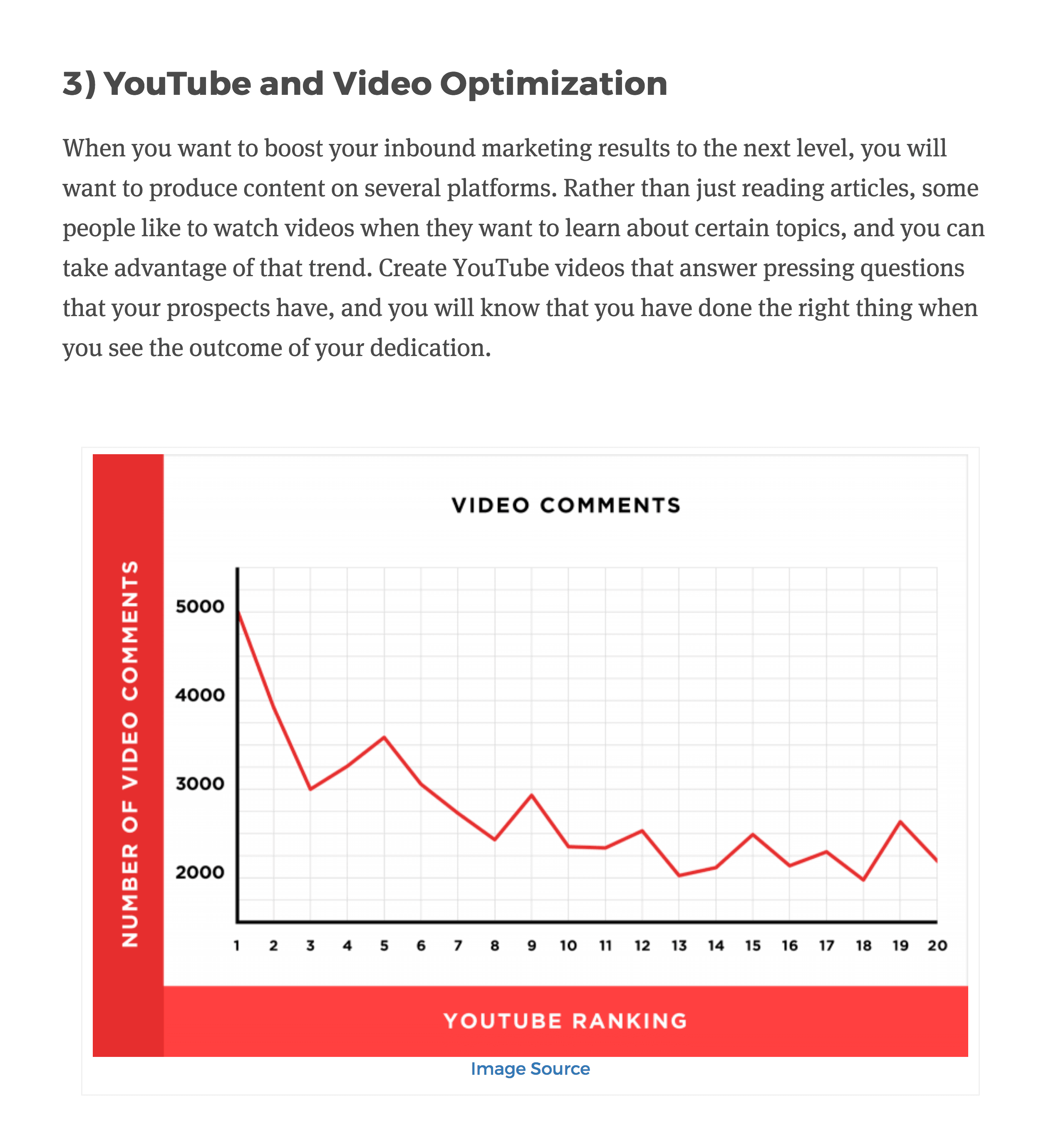
And link back to the unique source (the study) or your homepage as an “image source”:
Learn More
Marketers Agree: Original Research Drives site Traffic And Social Shares: A survey that found original research works very well for traffic, links and shares on social media.
How Fractl Leveraged Content Marketing to extend its Referral Traffic 6,718%: How one agency blew up their organic traffic with research-based content.


0 Nhận xét