
What Are Backlinks?

backlinks (also referred to as “inbound links”, “incoming links” or “one way links”) are links from one site to a page on some other website online. Google and other major search engines believe oneway links “votes” for a specific page. Pages with a high choice of back links generally tend to have high organic search engine rankings.
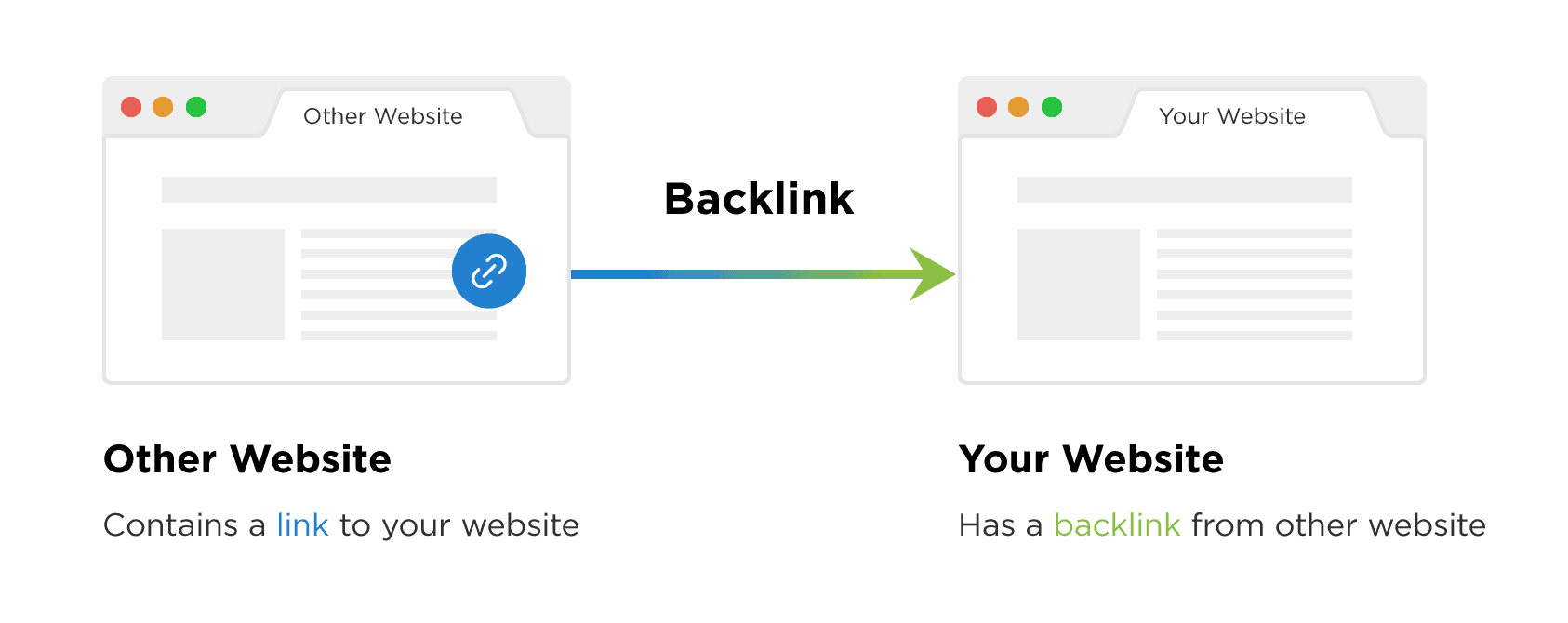
for example, here's a link from Forbes to my site.
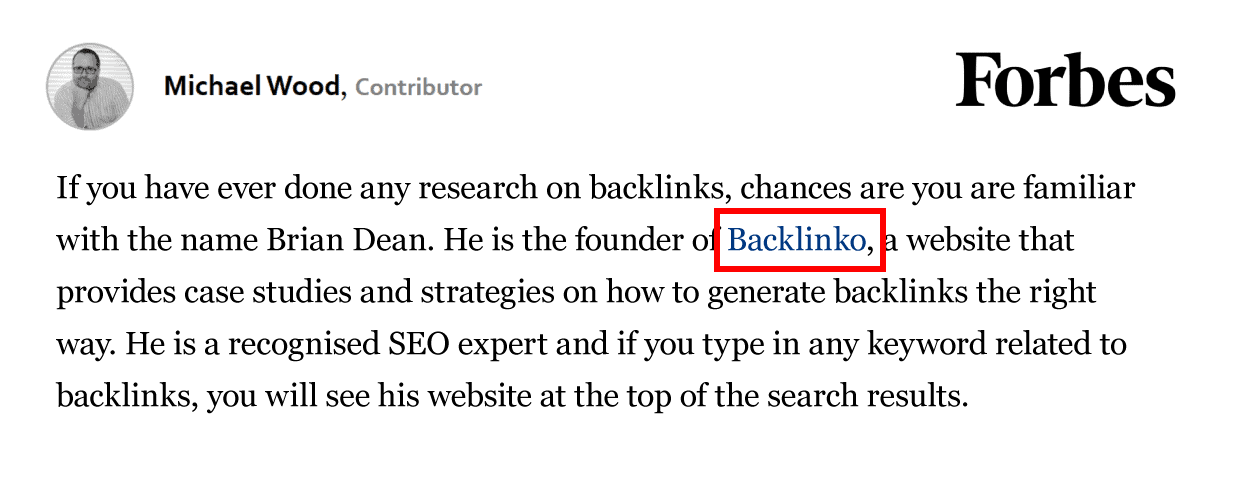
Because that link points without delay to a page on my site, it’s a “backlink”.
Why Are one way links Important?
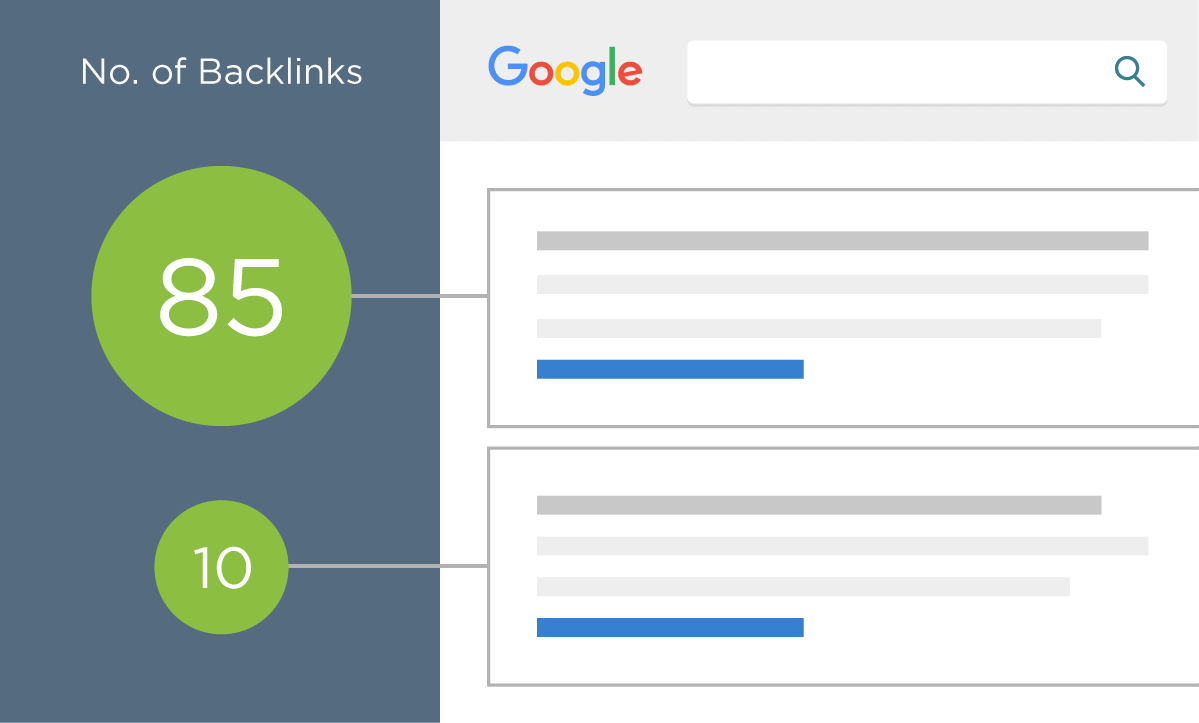
inbound links are principally votes from other websites. Each of these votes tells search engines: “This content is valuable, credible and useful”.
So the more of these “votes” you've gotten, the higher your web site will rank in Google and other serps.
the use of links in a search engine set of rules is nothing new. In truth, oneway links formed the root of Google’s original set of rules (known as “PageRank”).
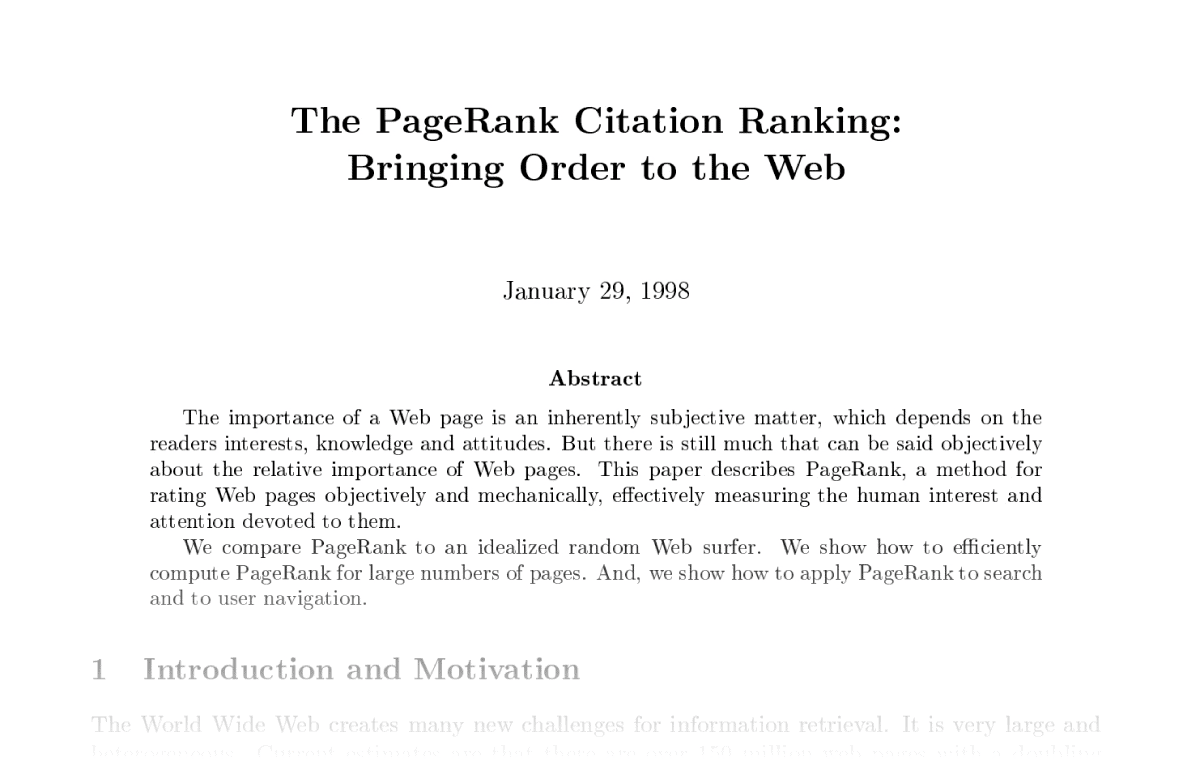
even though Google has made thousands of changes to its algorithm since then, one way links remain a key ranking signal.
for instance, an industry study that we conducted found that links remain Google’s key ranking signal.
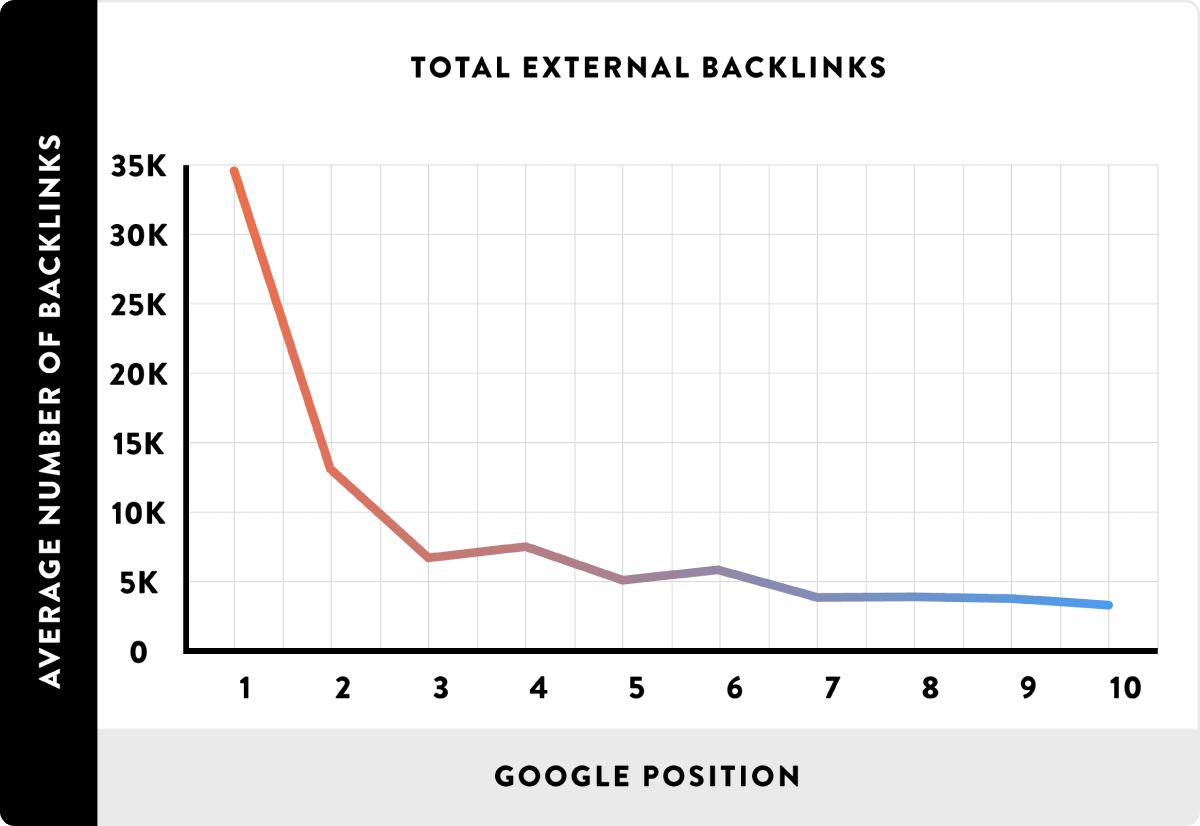
And Google has confirmed that one way links remain one in their three most important search engine ranking factors.

What sorts of one way links are Valuable?
not all back links are created equal.
In other words, if you want to rank higher in the engines like google, deal with quality one-way links.
Put another way:
A single quality back-link may also be more powerful than 1,000 low-quality one-way links.
As it turns out, top of the range back-links tend to share the same key traits.
Trait #1: they come From Trusted, Authoritative web pages
Would you slightly get a oneway link from Harvard… or a random guy’s website?
As it turns out, Google feels the same way.
this idea is called “Domain Authority”. Essentially, the more authority a web site has, the more authority it could possibly pass on to your website (via a link).
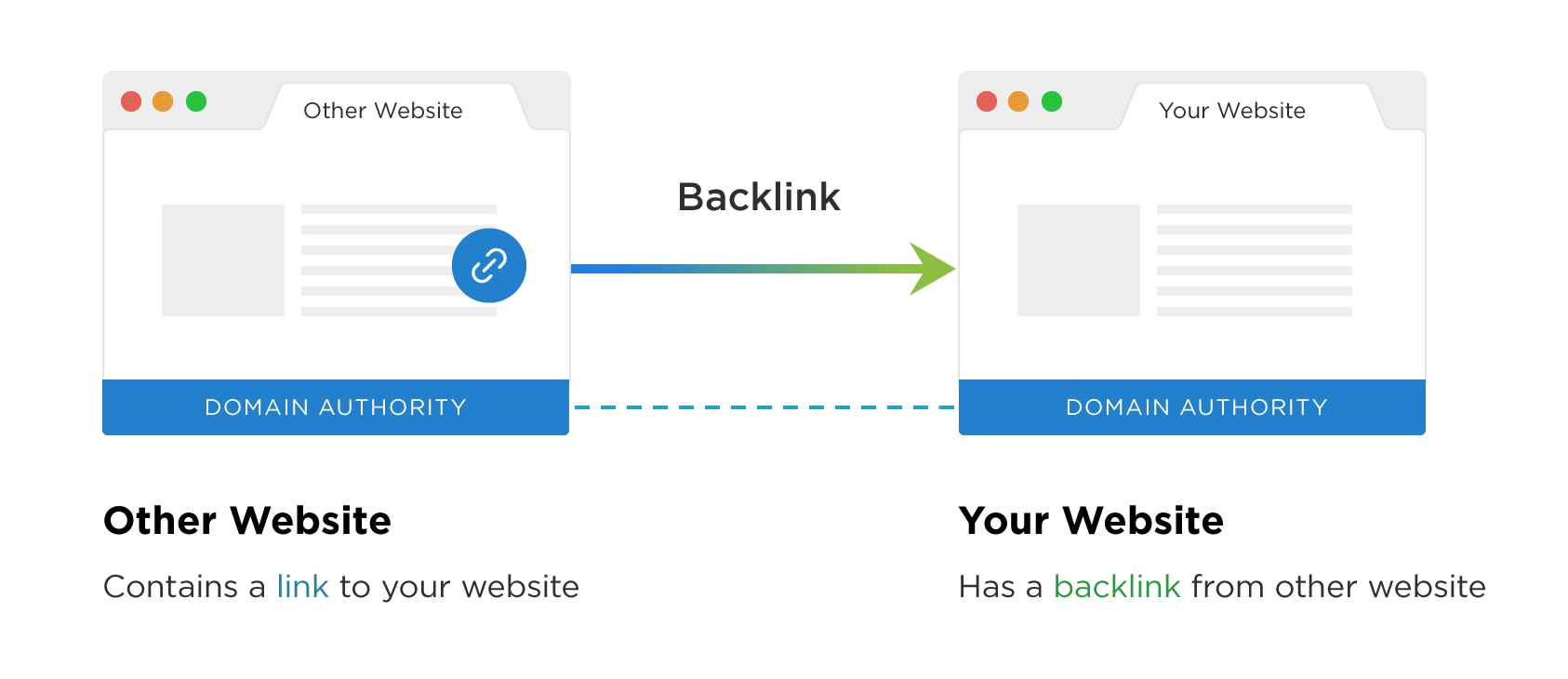
for example, here’s a link that I were given from TechCrunch.
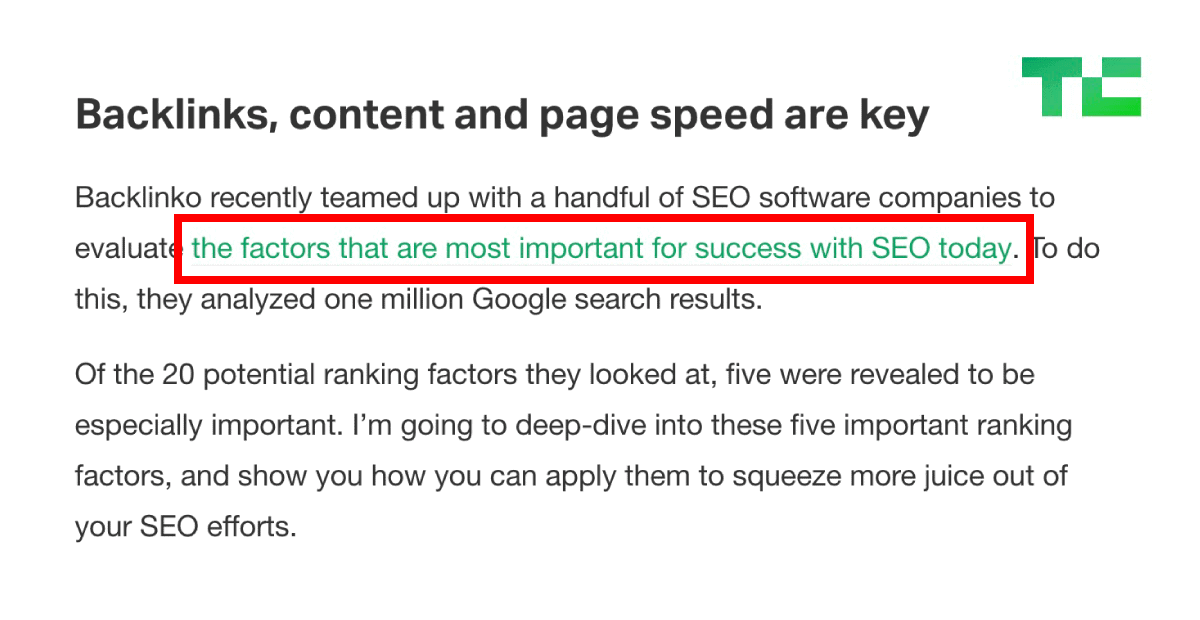
in step with Semrush, TechCrunch is an extremely authoritative domain.
Because that link comes from an authority website, Google puts plenty of weight on it. In fact, I noticed a boost in my organic search engine traffic right after TechCrunch linked to me.
Are these links hard to get? For sure.
Are they worth it? Absolutely.
Trait #2: They Include Your Target Keyword in the Link’s Anchor Text
As a reminder, anchor text is the visible text a part of a link.
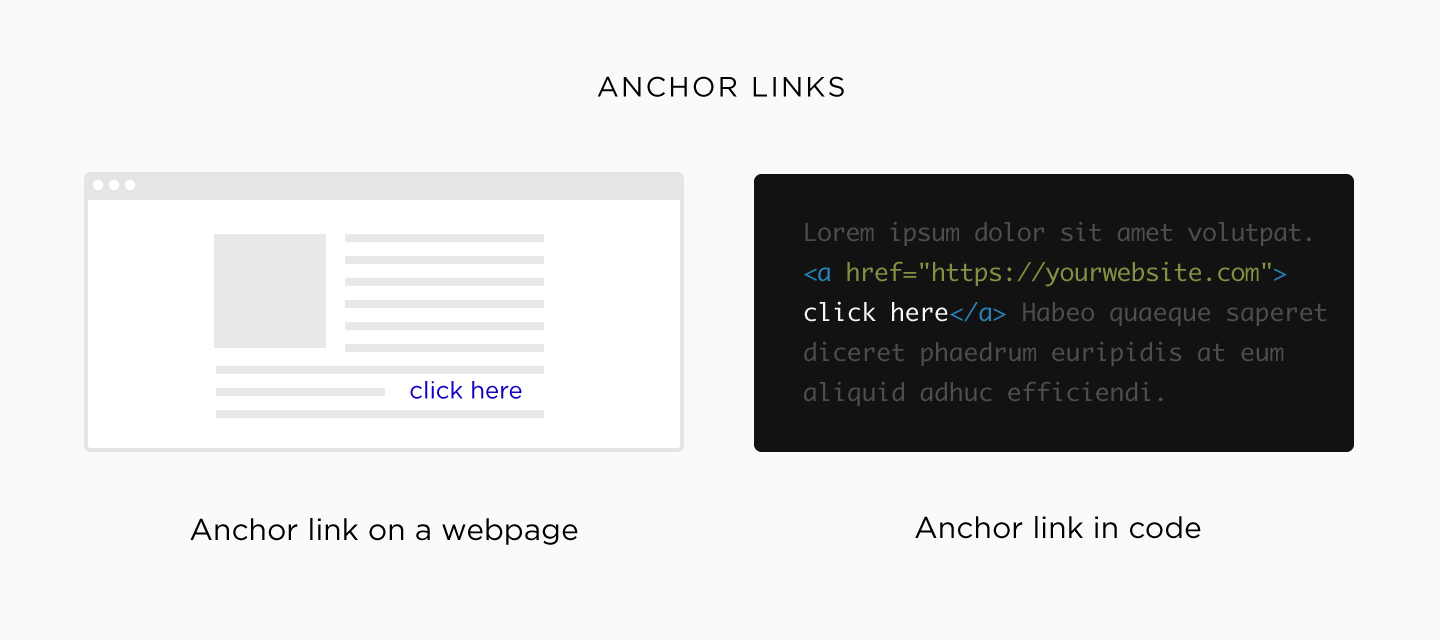
in general, you wish to have your links to have anchor text that incorporates your target keyword.
in truth, a recent industry study found a correlation between keyword-rich anchor text and higher rankings for that keyword.
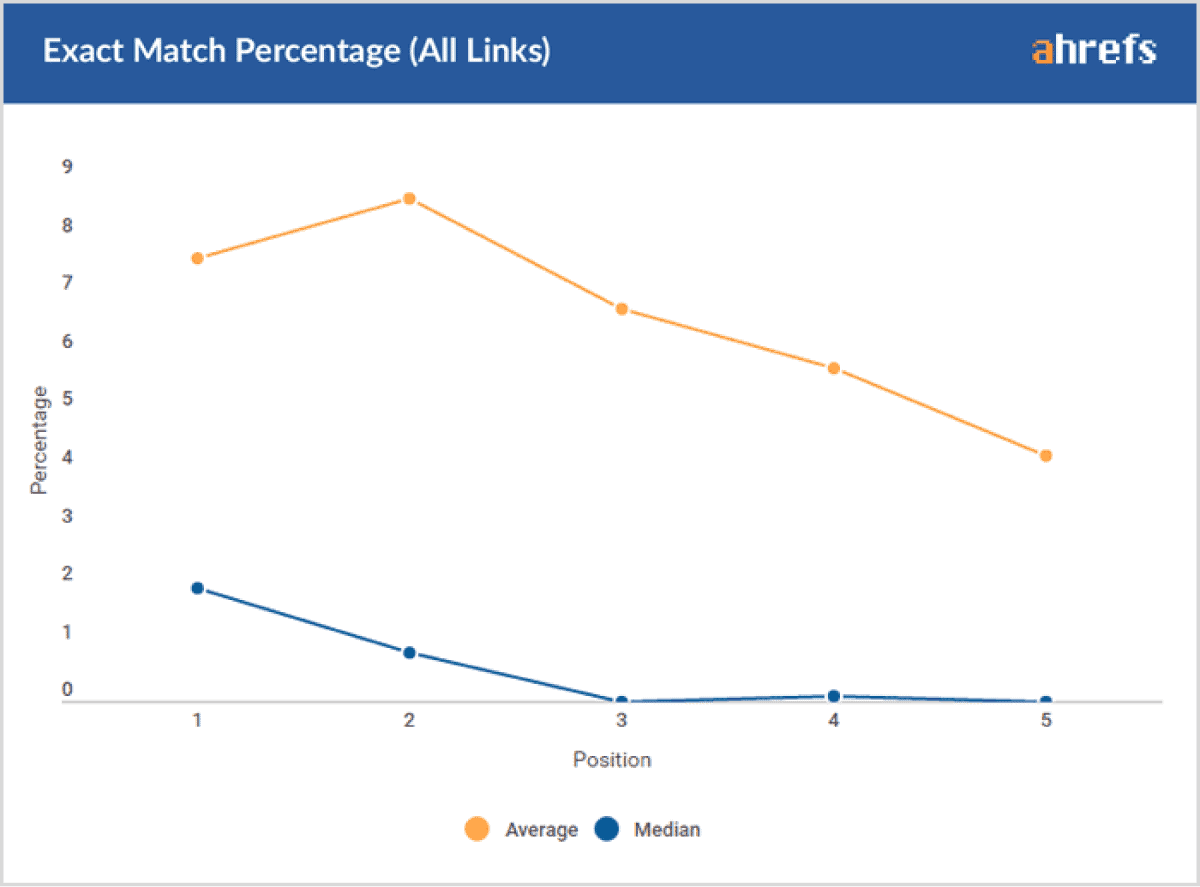
Now, a quick word of warning:
You don’t wish to go overboard with keyword-rich anchor text. In truth, Google has a filter of their algorithm called “Google Penguin”.
Google Penguin filters out internet sites that use black hat link building strategies. And it specifically focuses on sites that build back-links with exact match anchor text.
Trait #3: the location (and Page) Linking to You Is Topically Related for your web site
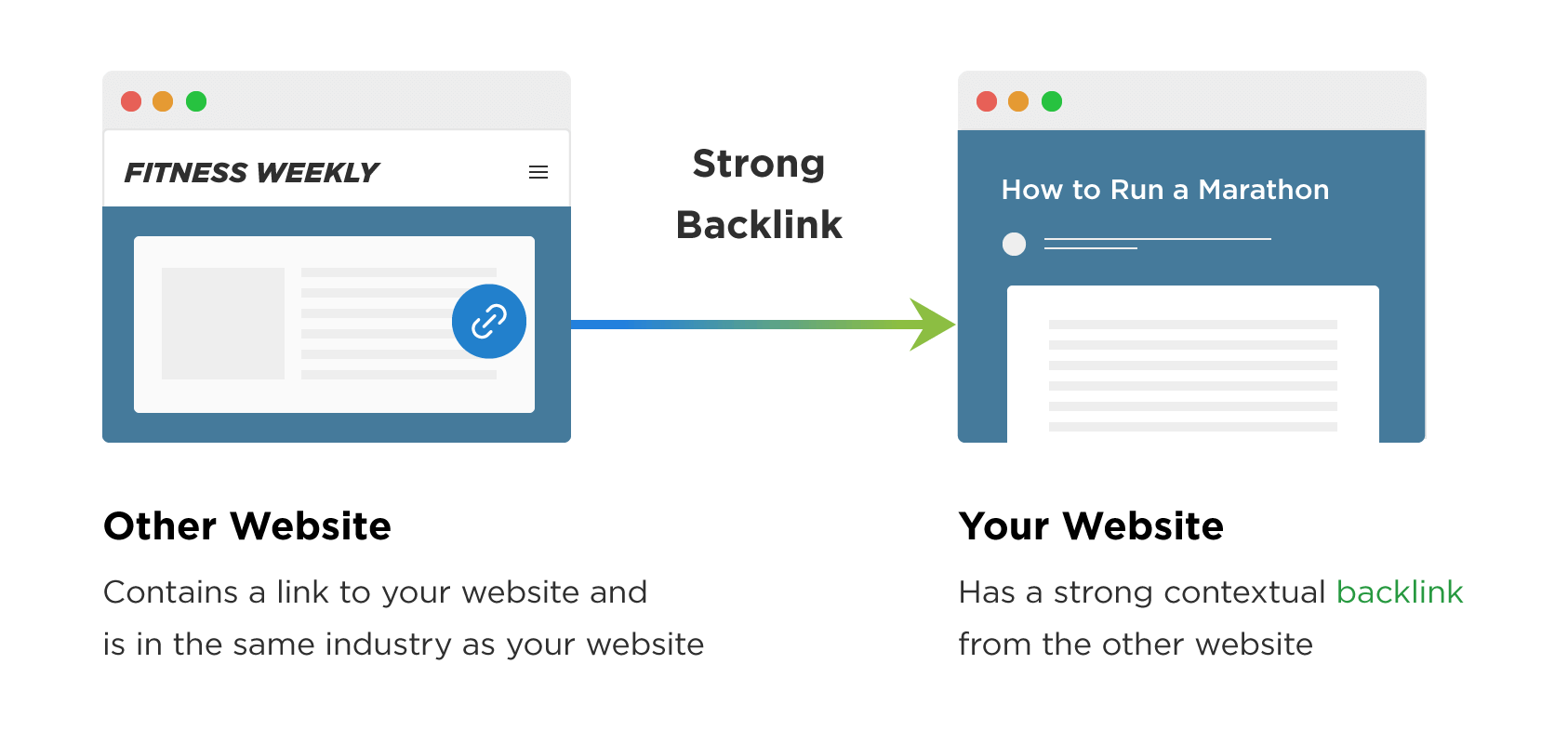
When a website online links to a different web page, Google wants to look that the 2 sites are related.
This makes sense if you consider it:
consider you just published a piece of writing about running a marathon.
In that case, Google will put a lot more weight on links from sites about marathons, running, fitness vs. Sites about fishing, unicycles, and digital marketing.
Trait #4: The Link Is a “Dofollow” Link
Google and other search engines ignore links with the "nofollow" tag attached to it.
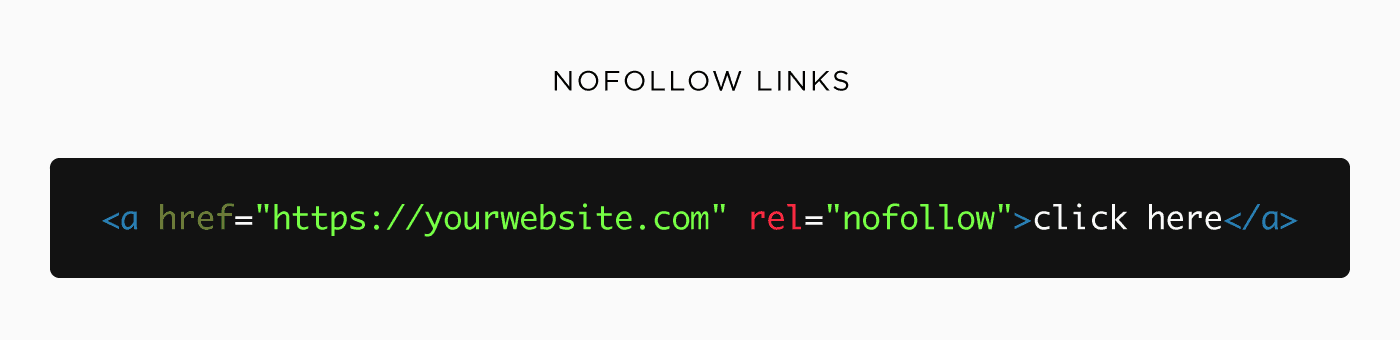
(In other words, nofollow links don’t count search engine ranking algorithms).
Fortunately, the majority of links on the web are “dofollow” links.
And lots of the links that experience the nofollow tag aren’t that valuable to begin with. For example, links from these sources tend to be nofollow:
- Blog comments
- Press releases
- Paid advertisements
These links aren’t super helpful for search engine marketing anyway, so it’s no longer a big deal that they’re nofollow.
Trait #5: The Link Is From a Domain That Hasn’t Linked to You Before
Let’s say you get a link from site A.
Great.
Well, let’s say web site A links to you again. And again. And again.
Are the 2nd, 3rd and 4th links as powerful as the primary one?
No.
As it turns out, links from the same web site have diminishing returns.

Or put another way:
It’s in most cases better to get one hundred links from one hundred different web sites than 1,000 links from the similar web page.
in fact, our search engine ranking correlation study found that the selection of sites linking to you (not the total selection of backlinks) correlated with Google rankings more than some other factor.
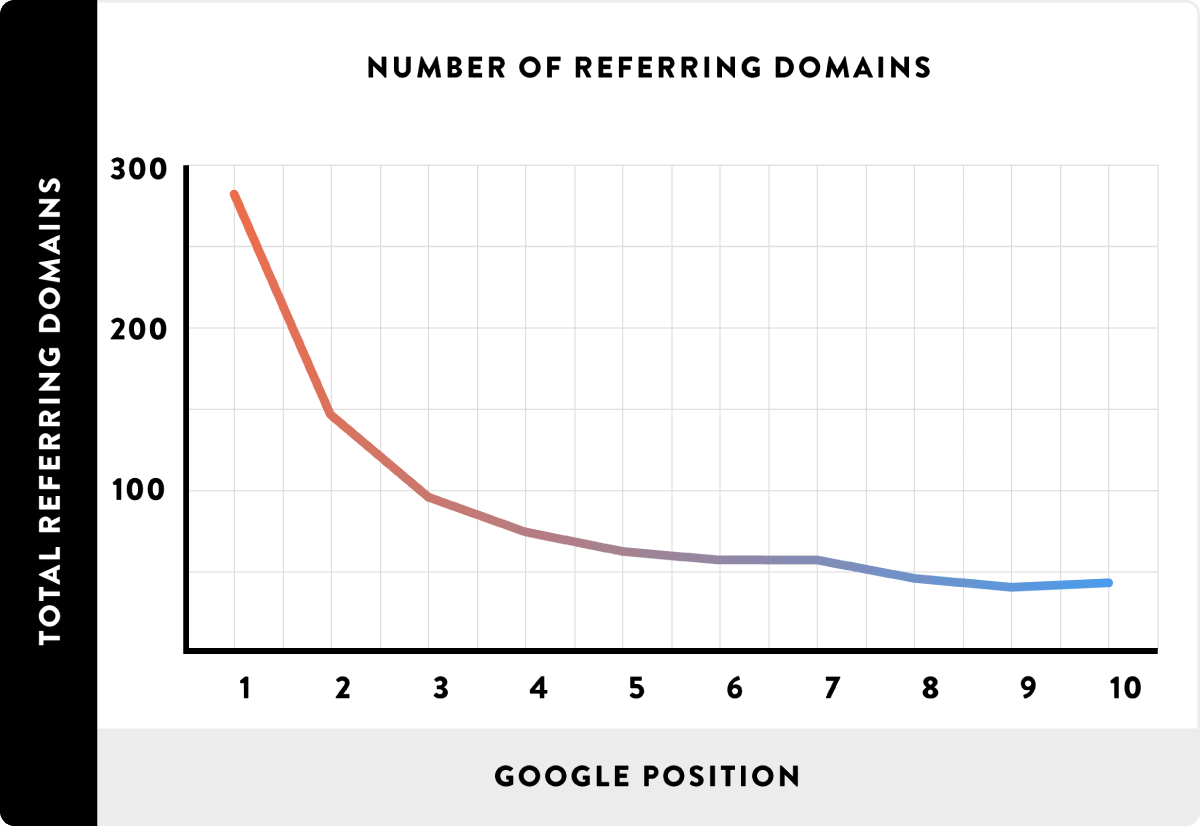
Now that you’ve seen what varieties of one way links are probably the most helpful on your Google rankings, it’s time for me to show you how to start building them.
perfect Practices
Create a Linkable Assets
if you would like other folks to link on your site, you want something in your web page worth linking to.
(Also referred to as “Linkable Assets”).
A Linkable Asset is usually a blog post, a video, a piece of software, a quiz, a survey… mainly anything that folks will want to link to.
usually, your linkable asset can be a fantastic piece of content (which is why SEO and content marketing are so closely tied together).
for example, once I first started my blog, I published this list of 200+ Google ranking factors.
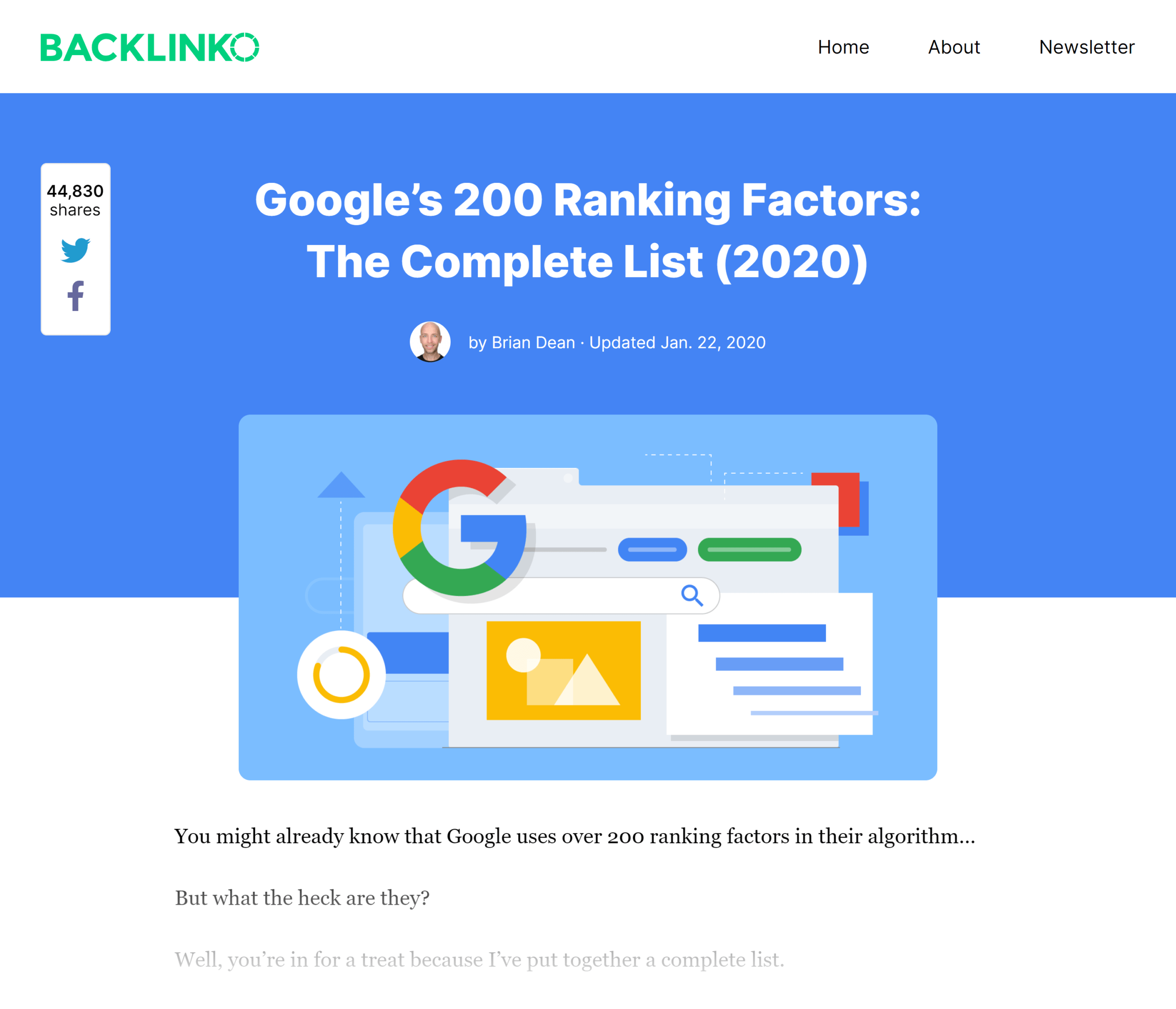
one day I read that Google uses 200 ranking signals. Which made me curious: “What are these two hundred signals?”.
of course, Google wasn’t about to announce them to the arena. So I began compiling statements from Google and patents that i discovered online.
Compiling these 2 hundred factors used to be extremely time-consuming (it took me over 2 weeks). But finally, I in the end compiled a list of 2 hundred ranking factors that Google would possibly use of their algorithm.
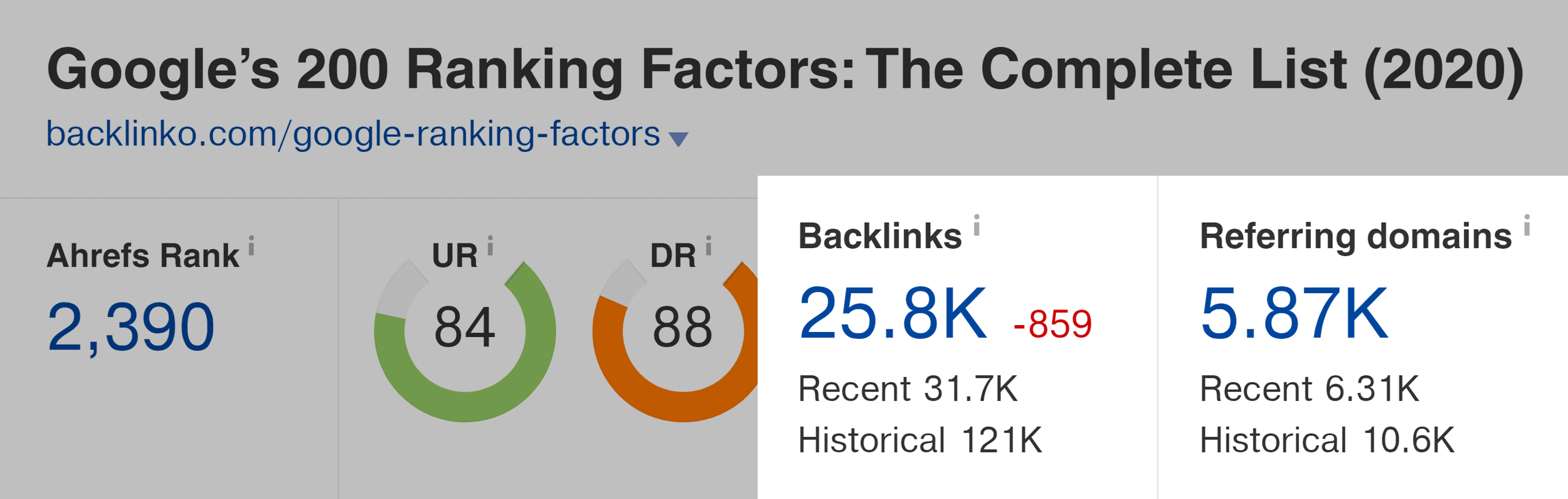
up to now, this single piece of content has generated over 25,800 one-way links from 5,870 domain names.
How about every other example?
certainly one of my most successful posts thus far (in terms of backlinks and organic traffic) is my ultimate guide to YouTube SEO.
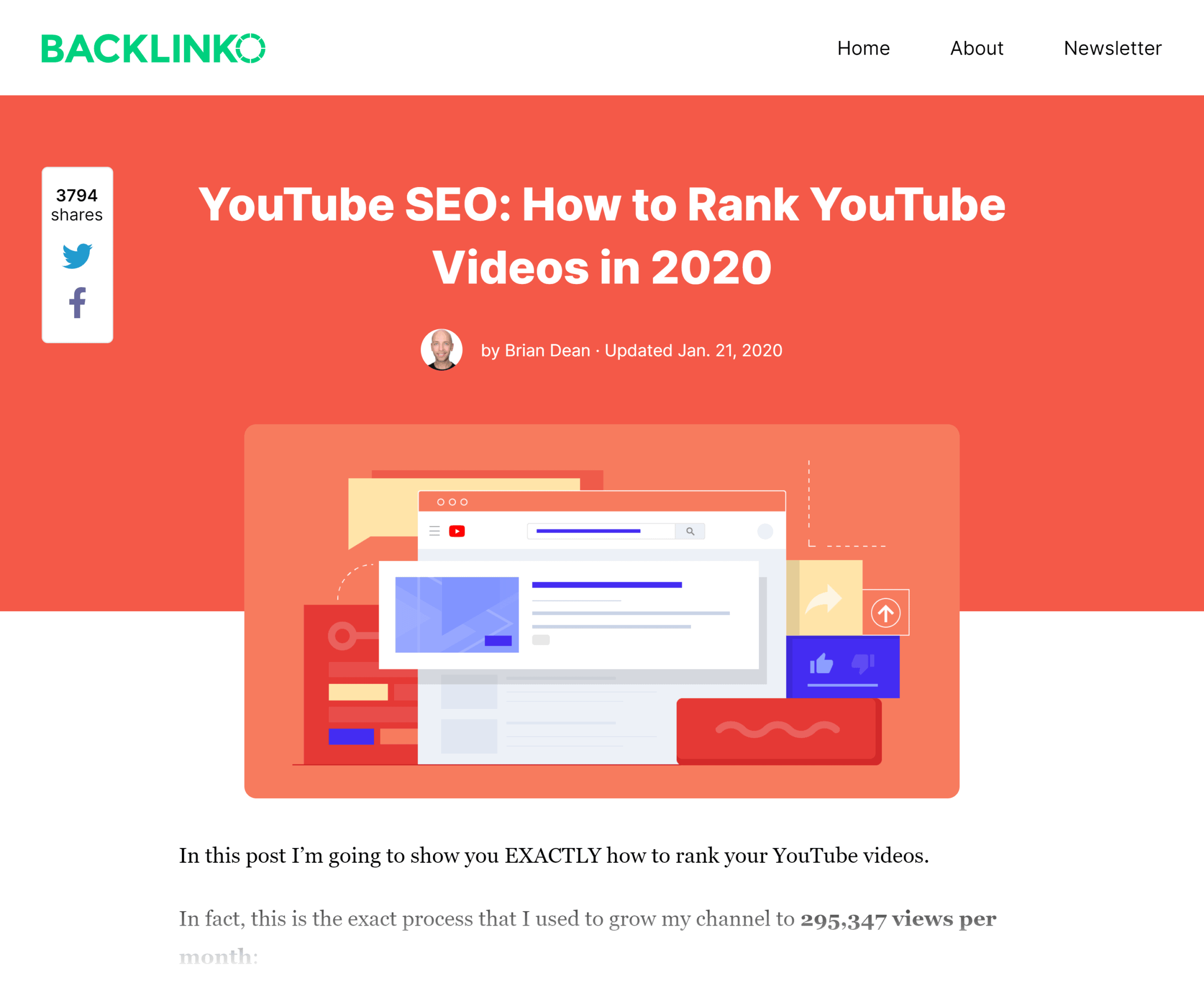
once I started writing this post i was starting to have some success with YouTube marketing. So I determined to compile and share what I learned in the form of an ultimate guide.
I also made up our minds to incorporate a large number of examples in my guide:
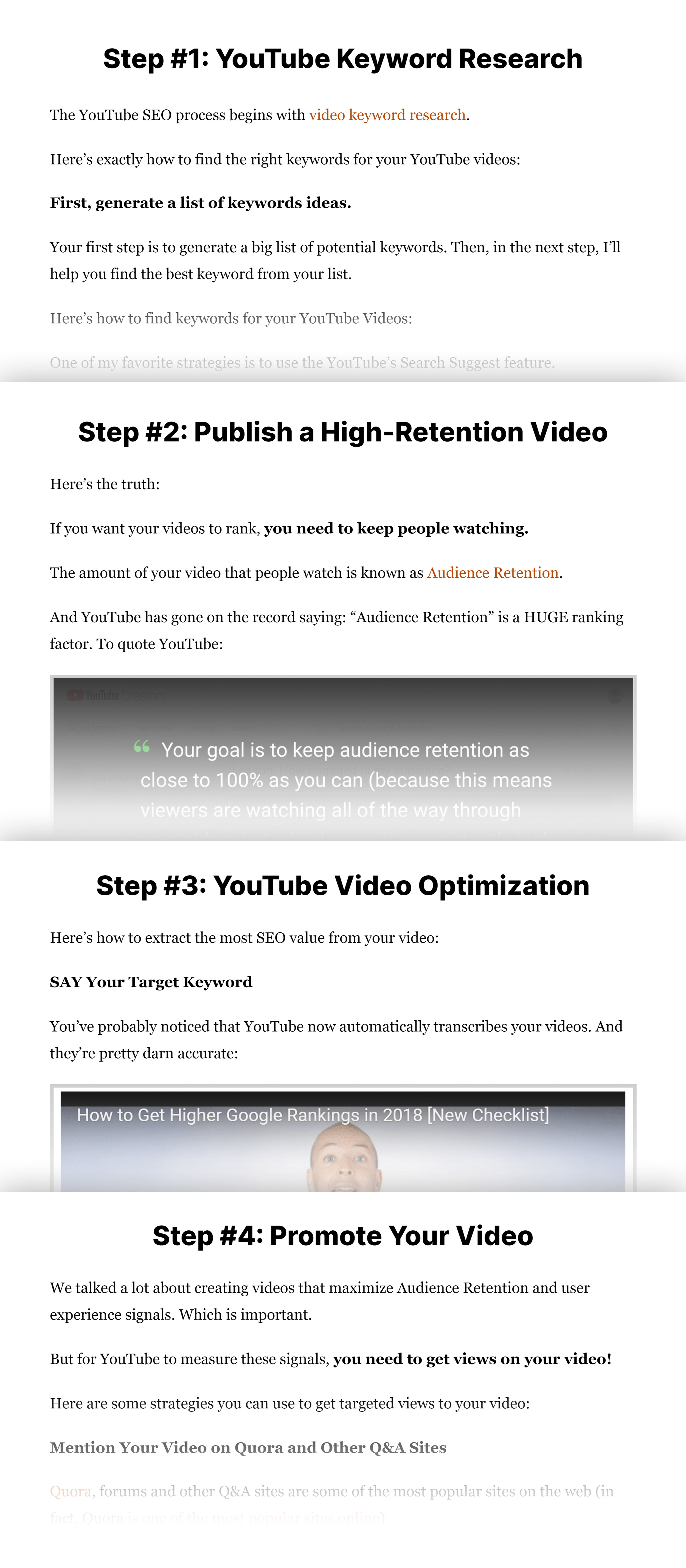
(Something that many of the other content on this topic lacked)
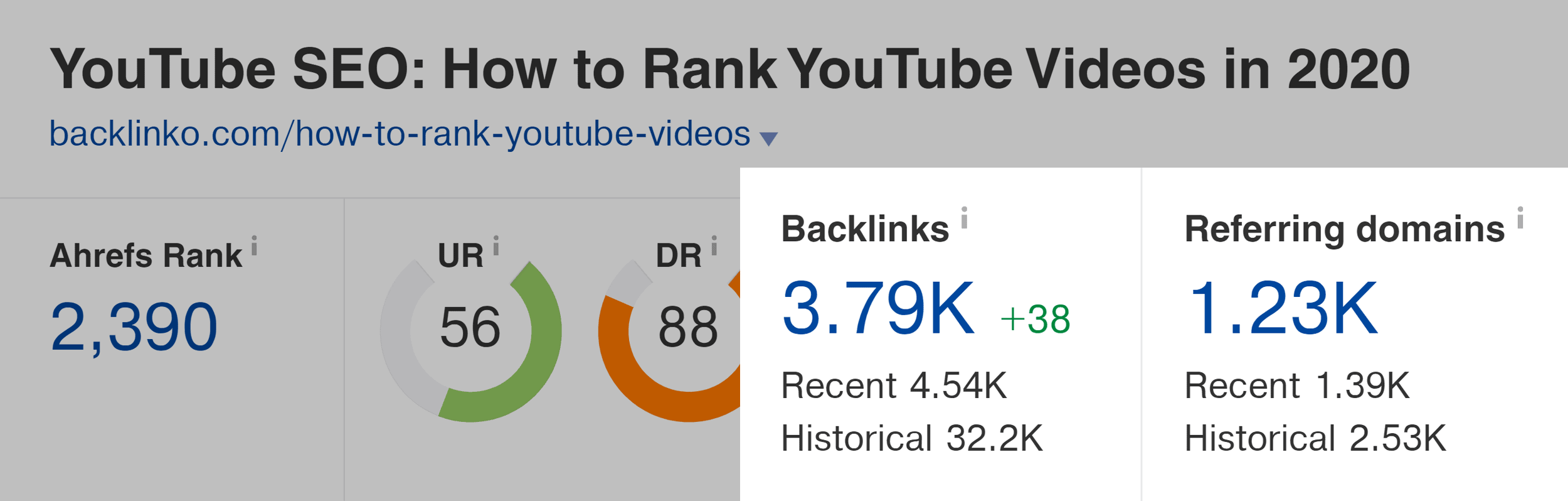
even if this post hasn’t generated nearly the same amount of links as my Google Ranking Factors post, it’s still racked up a variety of oneway links.
Build one way links from Link Roundups
consider if folks published blog posts with the only purpose of linking out to quality content.
(The form of quality content that you simply publish on your web page already)
It’d be pretty great, right?
Fortunately, that’s a real thing. And they’re called link roundups.
Here’s an example:
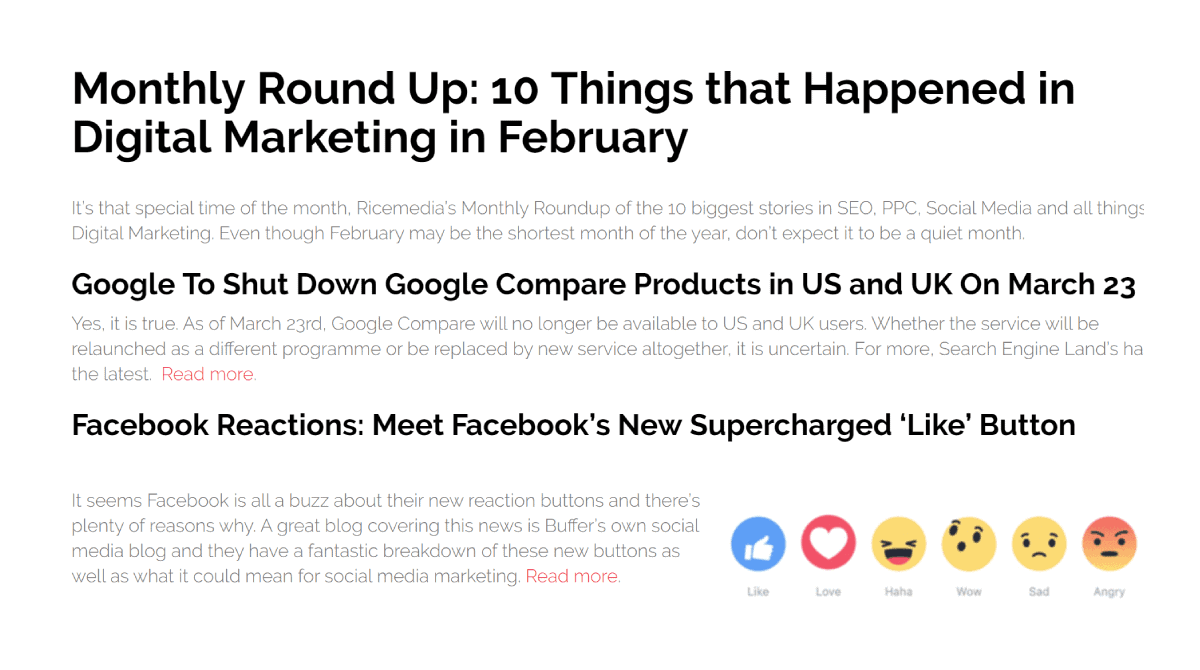
Link roundups are day-to-day, weekly or per thirty days blog posts that link to outstanding content.
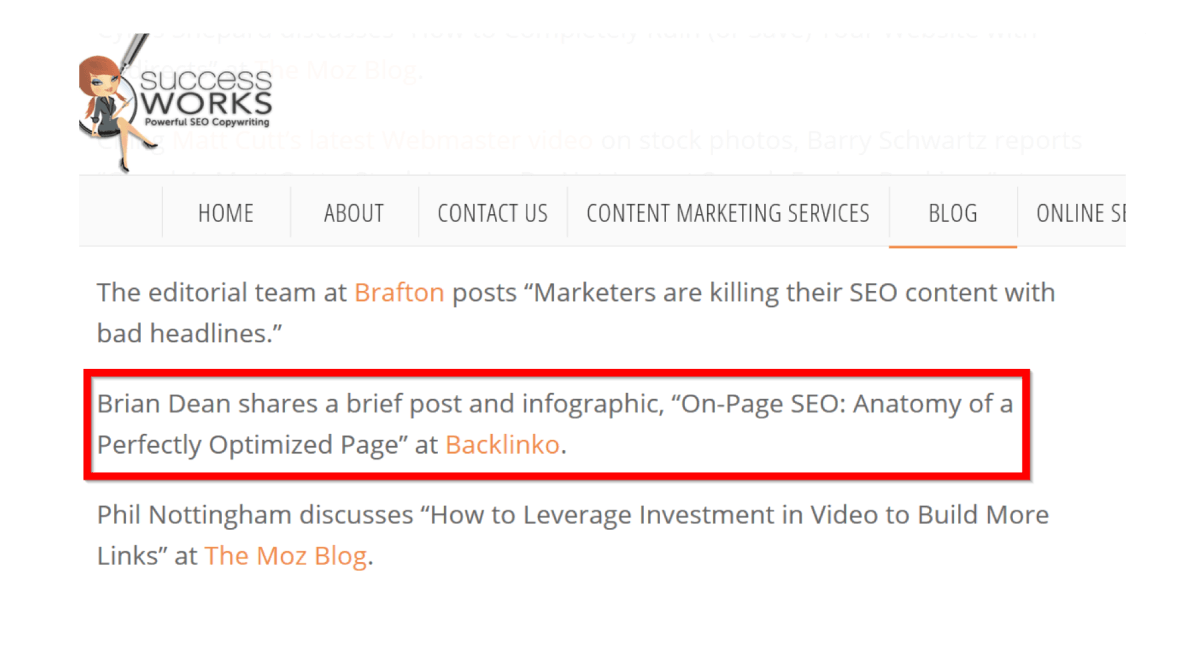
Here’s an example of a inbound link that I recently built from a roundup:
Here’s the step by step process.
- Find Link Roundups in your Niche: Use search strings in Google search, like ““Keyword” + “link roundup”.
- Pitch Your Resource: (Gently) suggest that they include your linkable asset to the roundup.
And if your post is a superb fit for that person’s roundup, you’ll get a high-quality link.
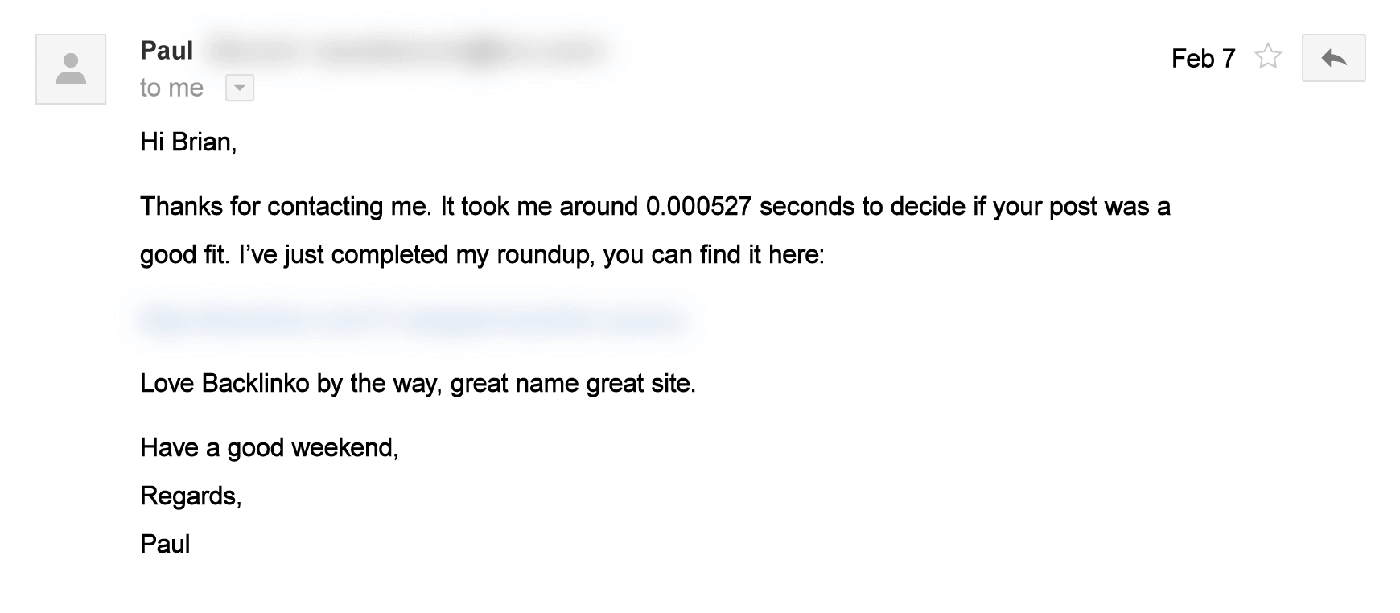
(They may also share your content on social media)
Use The Moving Man Method
Here is the 3-step process:
- First, you find web pages, resources or businesses which are outdated, rebranded or recently changed names.
- Then, find the sites which are still linking to those outdated resources.
- after all, you email people to let them know that they’re linking to something that’s outdated.
Let me show you how this works with a real-life example…
some time back I read that a website online for a big SEO agency web site unexpectedly shut down.
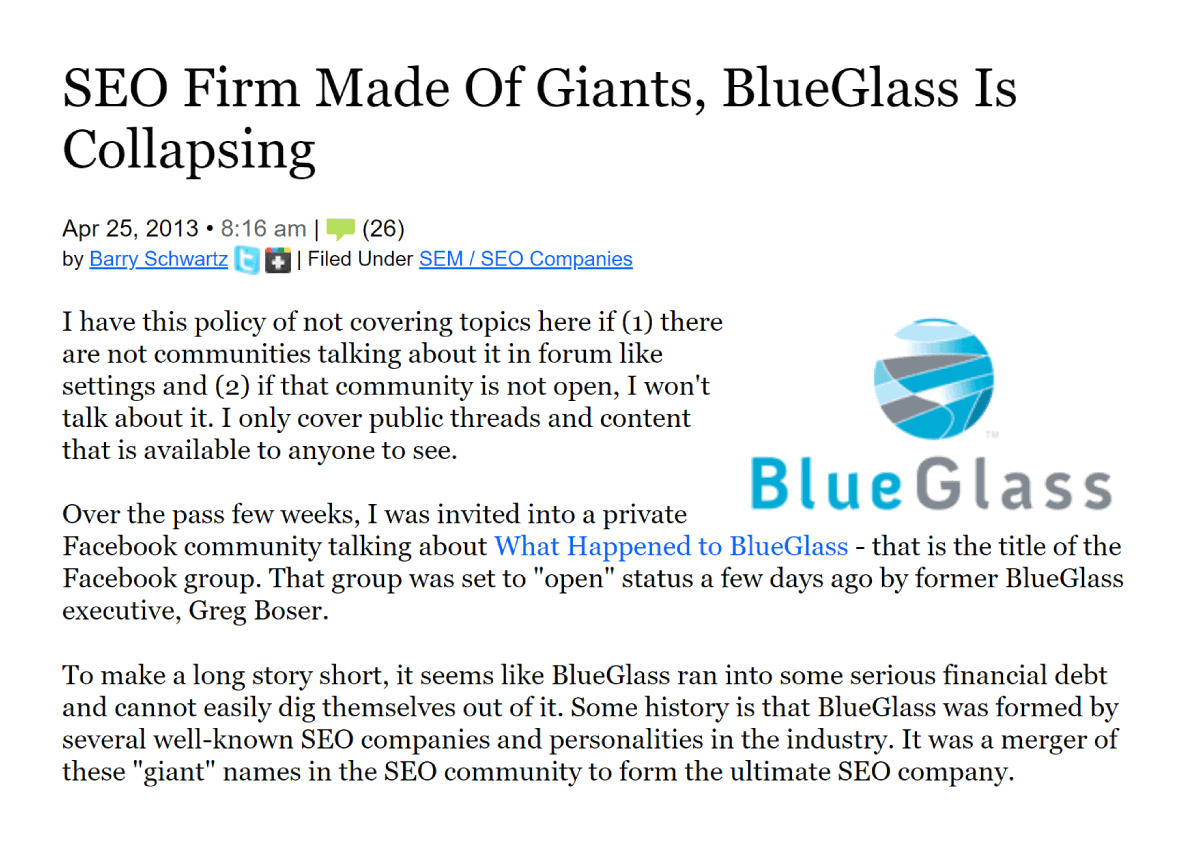
This meant they'd a whole lot of pages on their website that weren’t working anymore…
…pages that a lot of people were still linking to.
Specifically, I noticed that an infographic about search engine optimization on their web site wasn’t working anymore. Which was absolute best, because I had just published my own SEO-focused infographic.
in order that used to be step one.
Next, I had to see who actually linked to that infographic.
So I fired up Semrush and pulled all in their links:
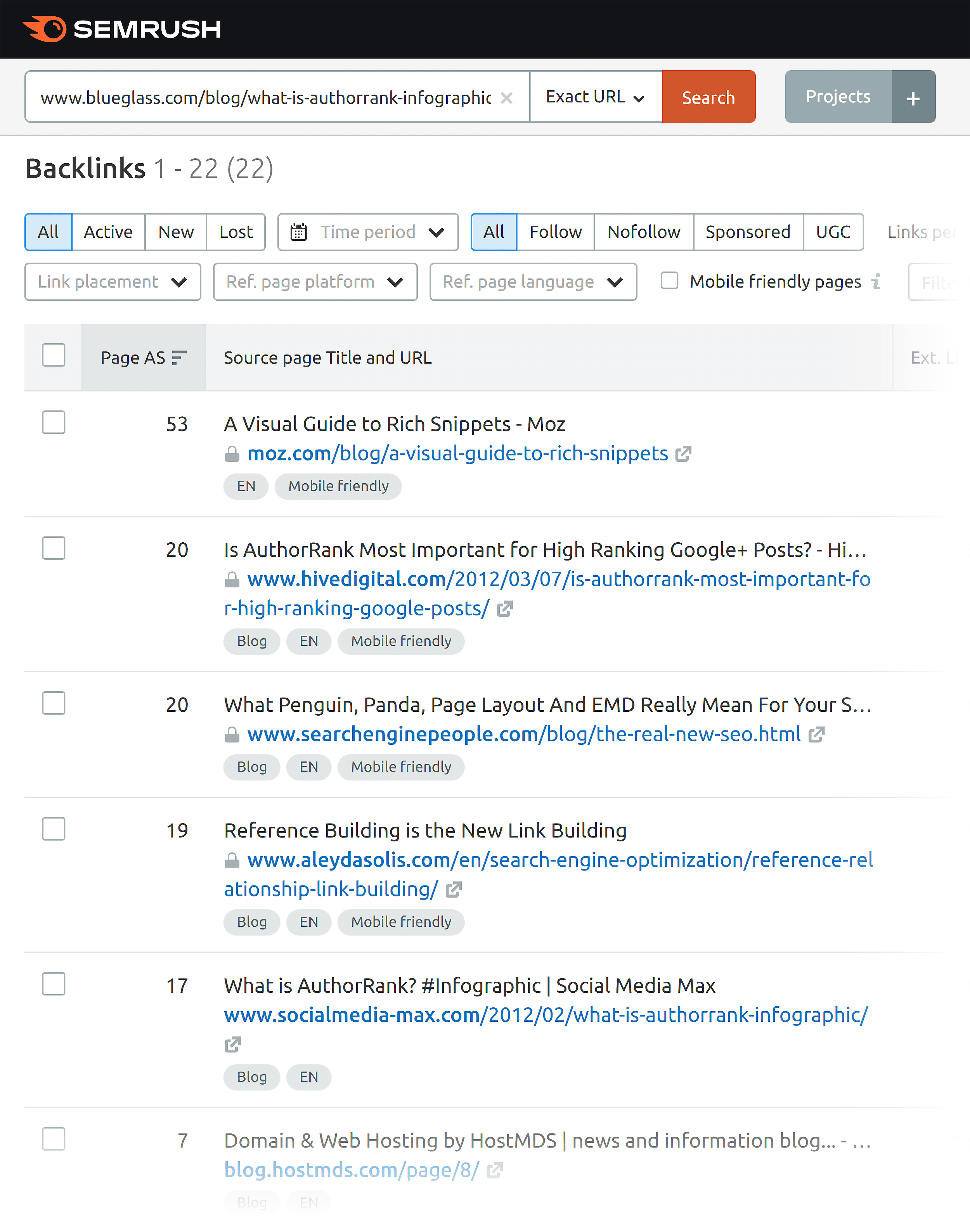
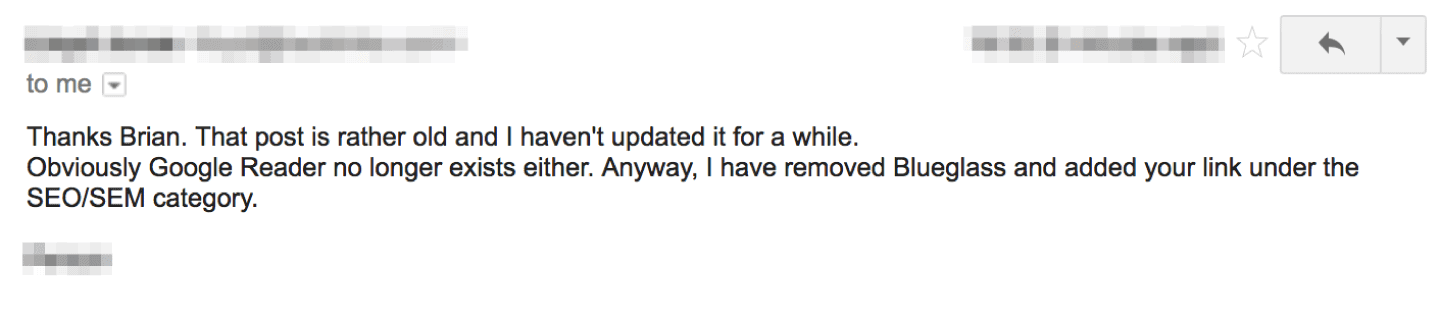
finally, I emailed everyone that linked to the infographic to let them know the picture wasn’t working anymore. I also let them know that my infographic would make an ideal replacement for the BlueGlass one.
Here’s the script I used:
Hi [Name],
i was searching for some content to read about [Topic] this morning. And I came across your very good post: [Post Title].
Anyway, I couldn’t help but notice that you just mentioned [Outdated Resource] on your article.
As you might have heard, [Problem With old-fashioned Resource].
Here’s a screenshot of where that link is located: [Screenshot]
Also, I recently published a piece of content about [Topic]. It would make a good replacement for the [Outdated Resource].
Either way, i hope this helps you and have an ideal day!
thanks,
[Your Name]
As you'll discover, other folks were more than pleased to link to me:
Broken Link Building
This strategy is similar to the Moving Man Method you just learned about.
the variation is that with broken link building, you’re only in search of pages that have 404 errors.
to seek out these 404 links, you desire to concentrate on resource pages for your niche. So if you’re in the fitness niche you’d search in Google using these search strings:
- "fitness" + "resource page"
- "fitness" + "resources"
- "fitness" + "recommended sites"
- "fitness" + "links"
And you’d find pages like this.
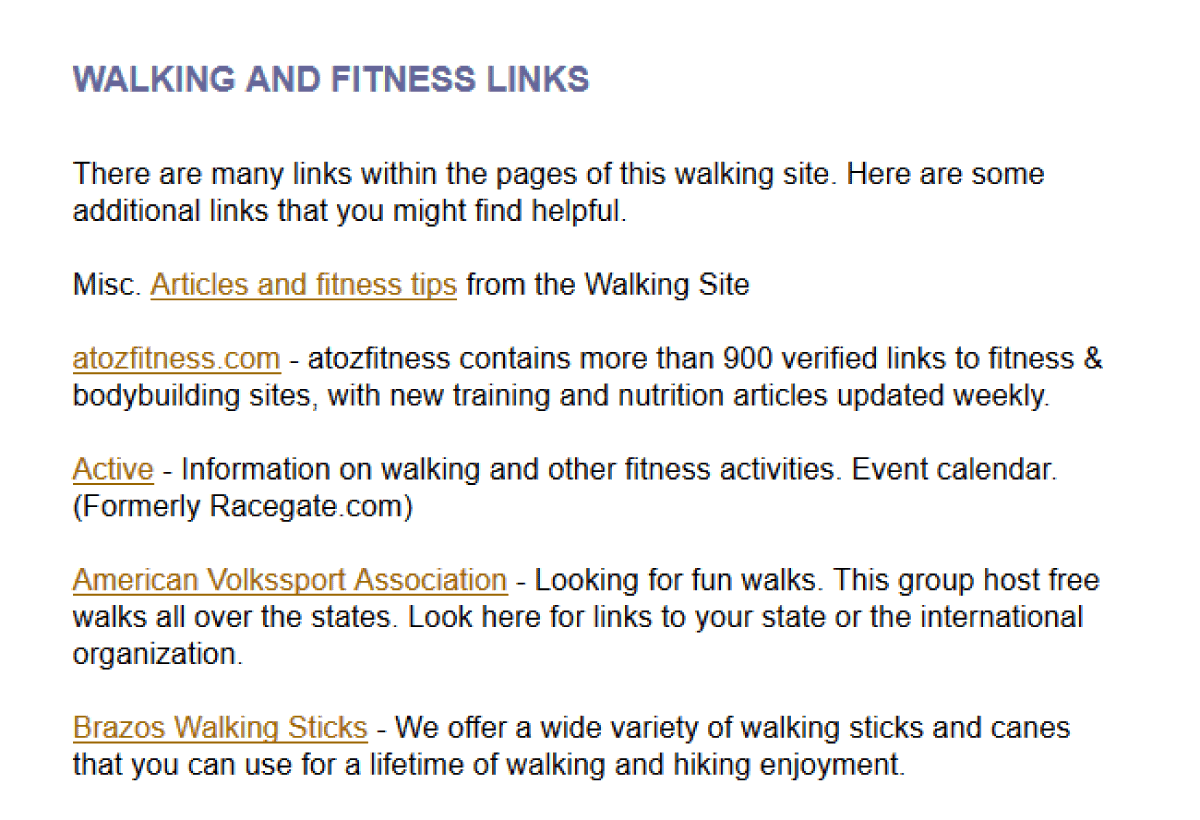
Now you have to email the location owner and ask for a link. But I’ve found that begging doesn’t work rather well.
instead, let the positioning owner learn about any broken links that you find.
you'll easily find broken links on any page. Just use the nifty Check My Links Chrome Extension.
This program quickly finds any broken links the page happens to have. It also highlights them in red to cause them to easy to find:
the very last thing it's a must to do is email the location owner about their dead link.
Hi [Site Owner Name],
i used to be just browsing around your resources page nowadays, and among the lists of great resources, were some broken links.
Here’s some of them:
[URL 1]
[URL 2]
[URL 3]
Oh, and i have a website online, [Your Website], that still regularly posts quality content related to whatever. In case you think so too, feel free to post a link to it in your resources page.
Either way i'm hoping this helps and keep up the great work!
thanks,
[Your Name]
Guest Posting
Is guest posting dead?
probably not.
in reality, when you’re first starting out, guest blogging is one of the simplest ways to get links for your website.
if truth be told, when I first began Backlinko, I wrote over 50 guest posts and interviews in 12 months!
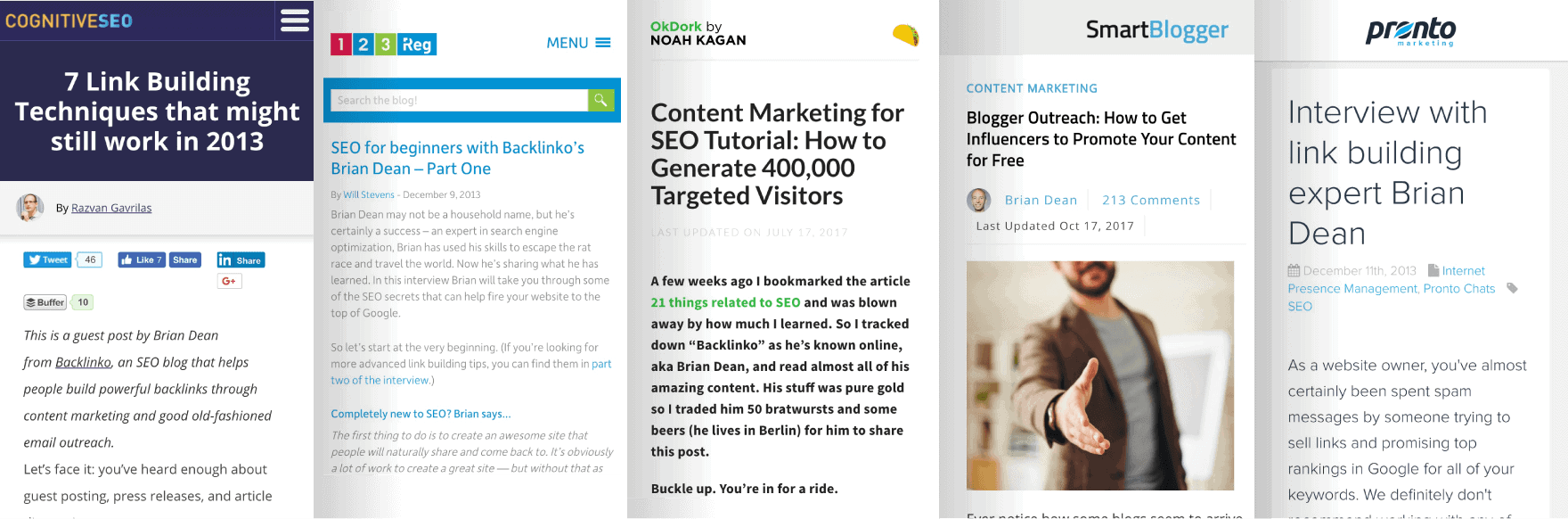
And the links I were given from guest posting definitely gave my organic traffic a spice up.
That said, i was very strategic about things. I made sure to just write guest posts for quality sites in my niche.
So when you run a site in regards to the Paleo Diet, and write a guest post on a website about iPhones, that’s going to seem spammy to Google.
But whilst you write mind-blowing guest posts for quality websites in your industry, those links DO assist.
the object is, finding places to guest post could be a HUGE pain.
But there’s an easier way…
Here’s how it works:
First, find anyone on your industry that writes a large number of guest posts.
Next, go to 1 of their published guest posts. And take hold of the headshot they use of their author bio:
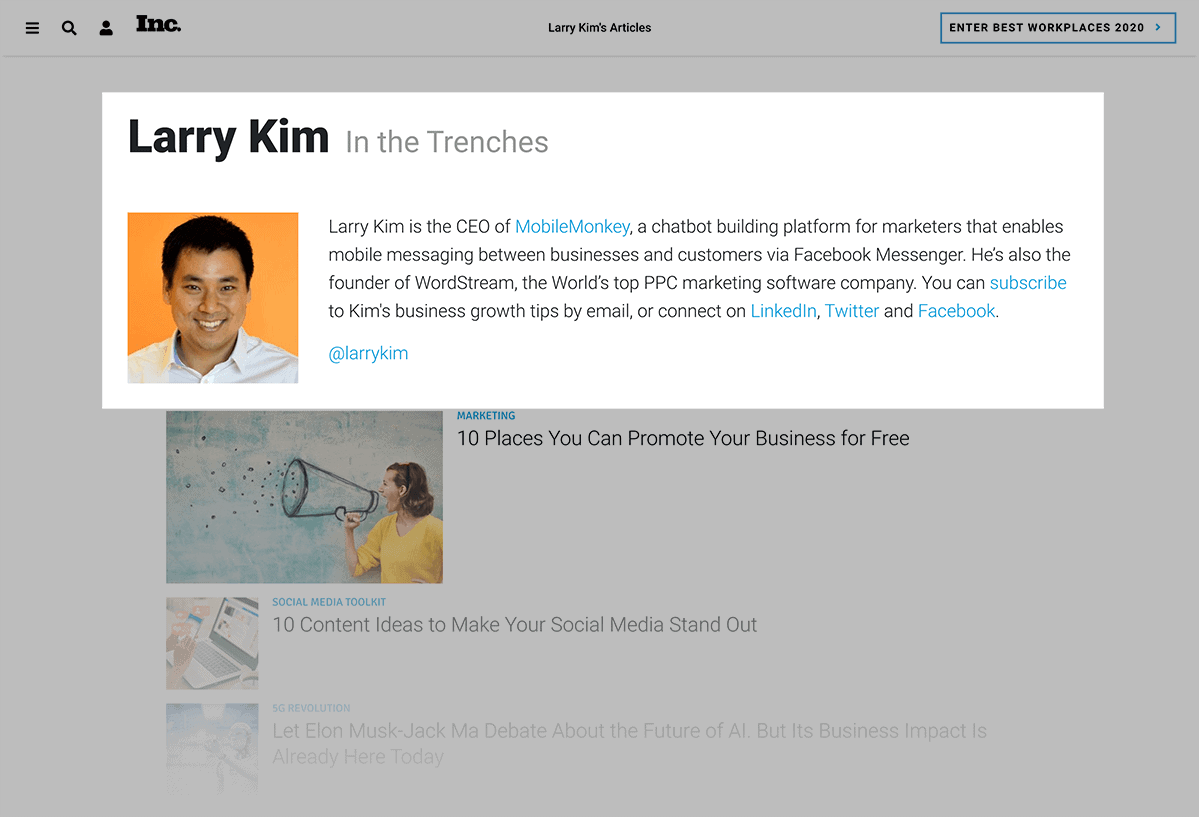
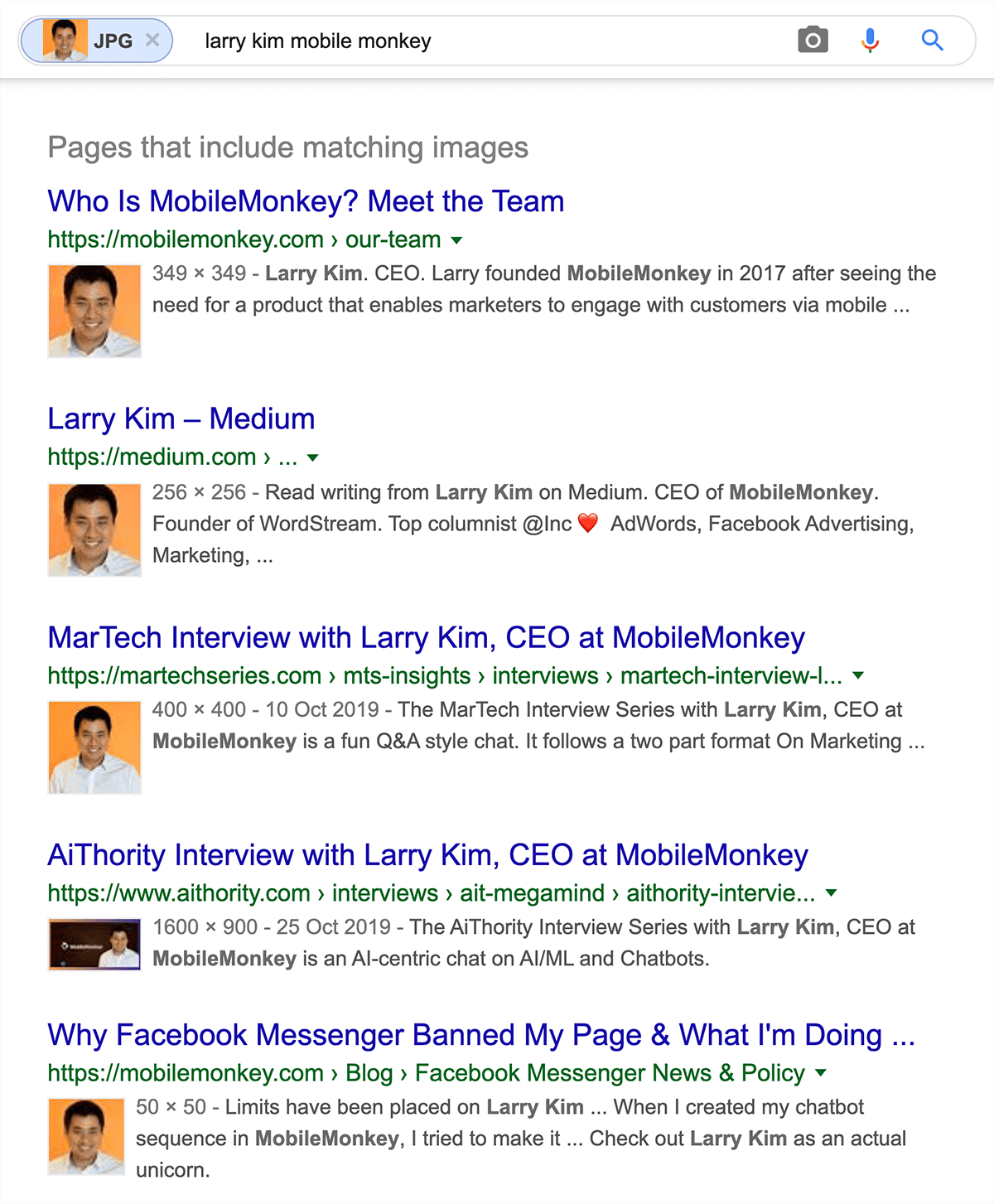
after all, pop the URL of that screenshot into Google reverse image search.
And you’ll get a list of places that published guest posts on.
Infographics and Other Visual Assets
Do infographics work as well as they used to? Not likely.
But they’re still an effective link building strategy.
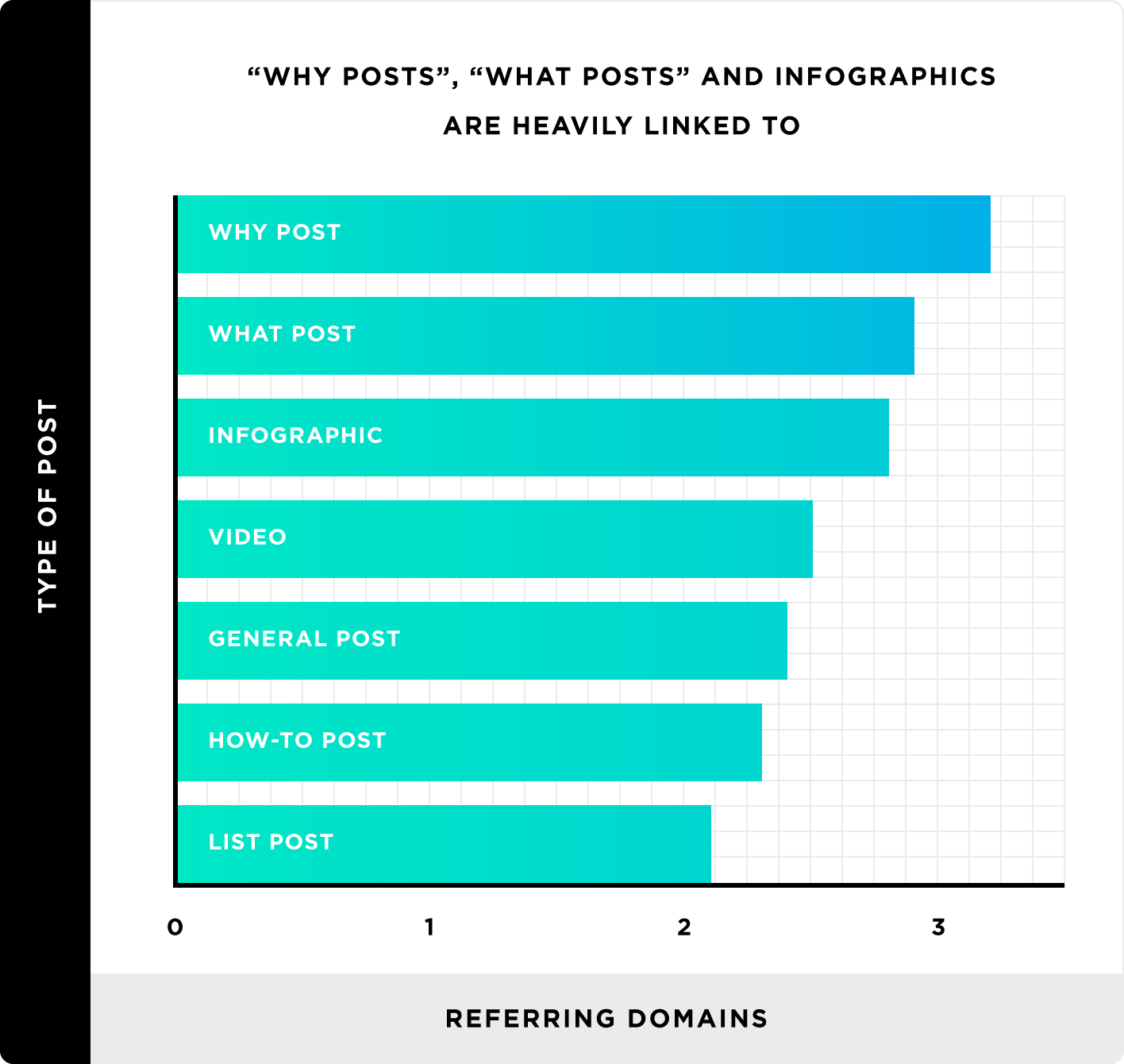
if truth be told, once we looked at what forms of content generate probably the most links, infographics came out near the highest.
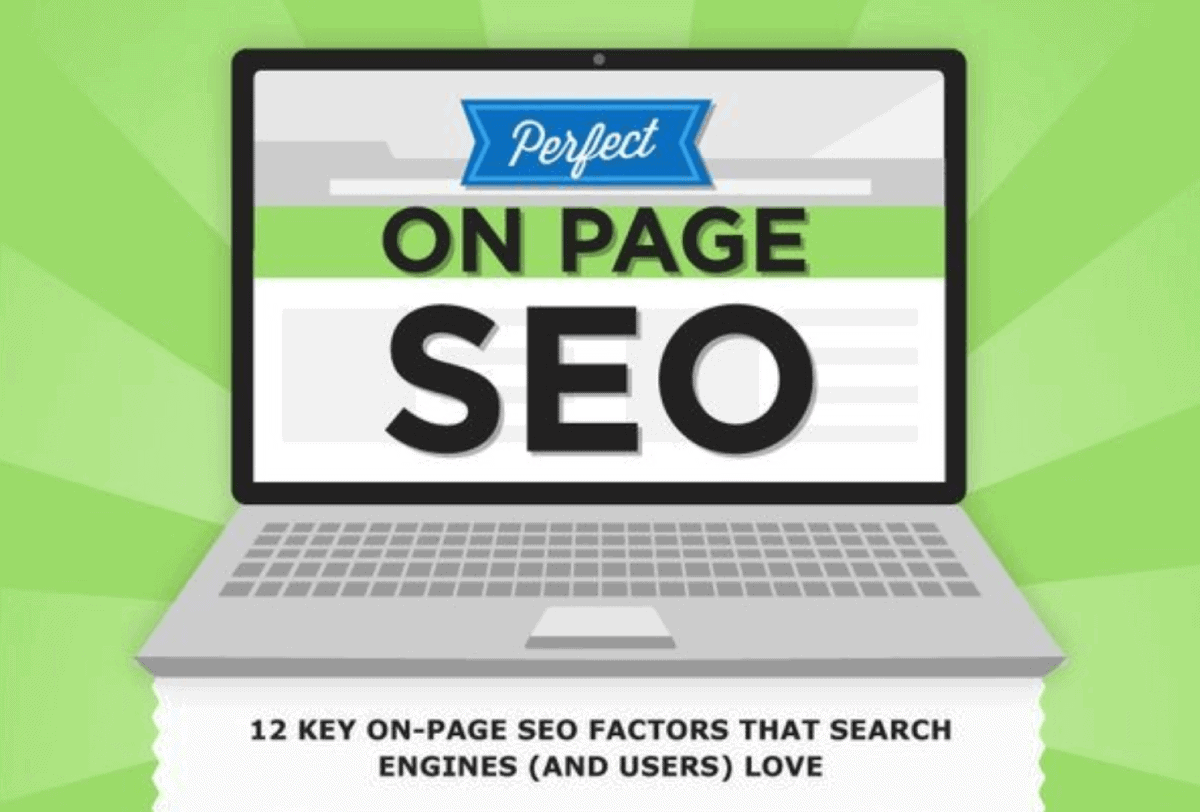
for example, one of the crucial first infographics I ever made took only took a couple of hours to place together (I also hired a professional designer to make it look professional).
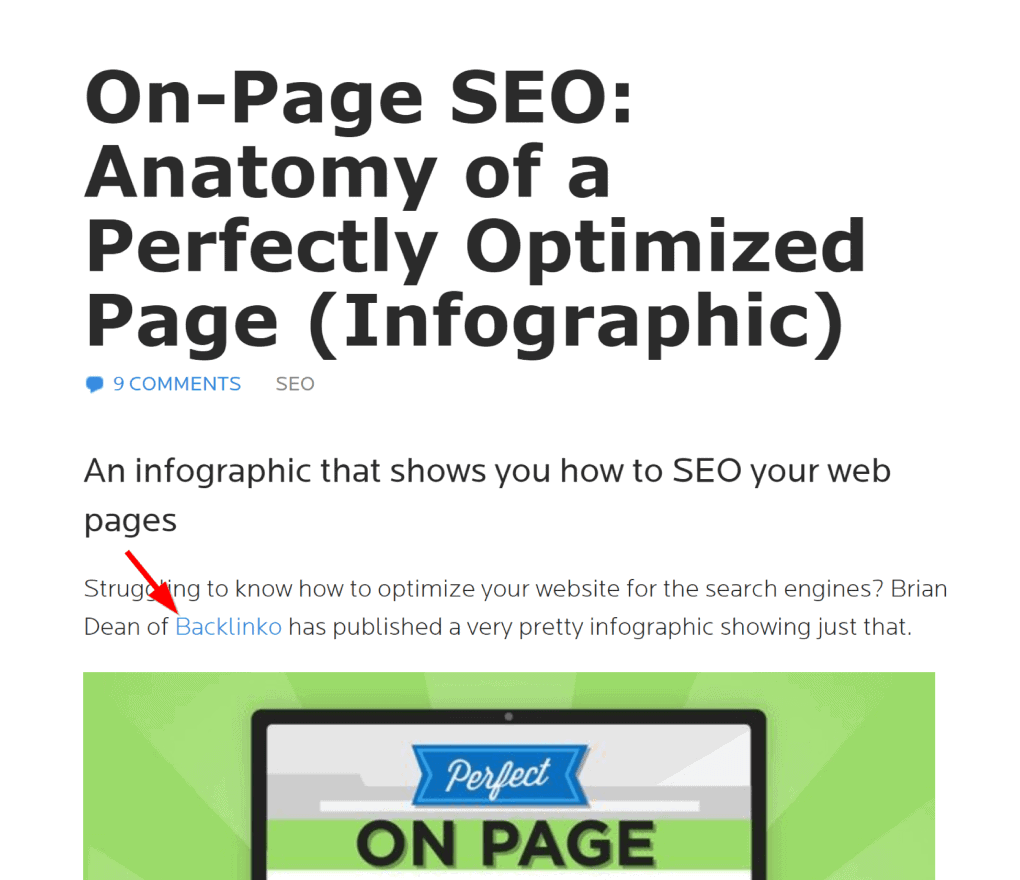
despite the fact that this infographic didn’t go viral, it led to a couple solid backlinks:
To be clear: I didn’t just publish my infographic and hope for the most efficient.
Like any piece of content that you simply publish, it's a must to strategically promote your infographic. And to do this, I recommend using a strategy called “Guestographics”.
I outline exactly how Guestographics work on this post.
Submit Testimonials
Companies big and small love to sing their own praises customer testimonials.
And you’re the usage of a services or products that you simply love (or a minimum of like), believe sending them a testimonial.
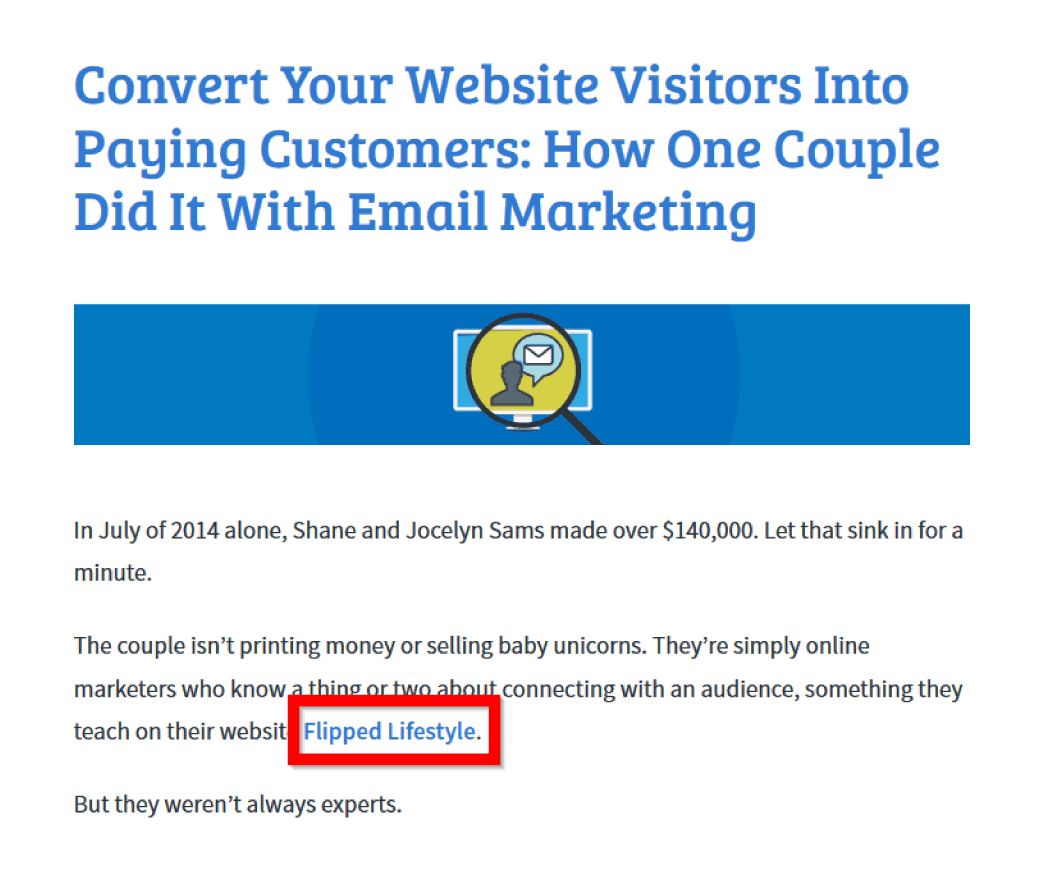
to turn that you’re a real person they’ll incessantly add a link on your website… without you even having to invite.
Here’s an example:
Blogger Reviews
if you have a piece of software, physical product, consulting service or ANYTHING of value that you sell, you can easily turn that into dozens of high quality back-links.
How?
By offering your product to bloggers free of charge.
Here’s how:
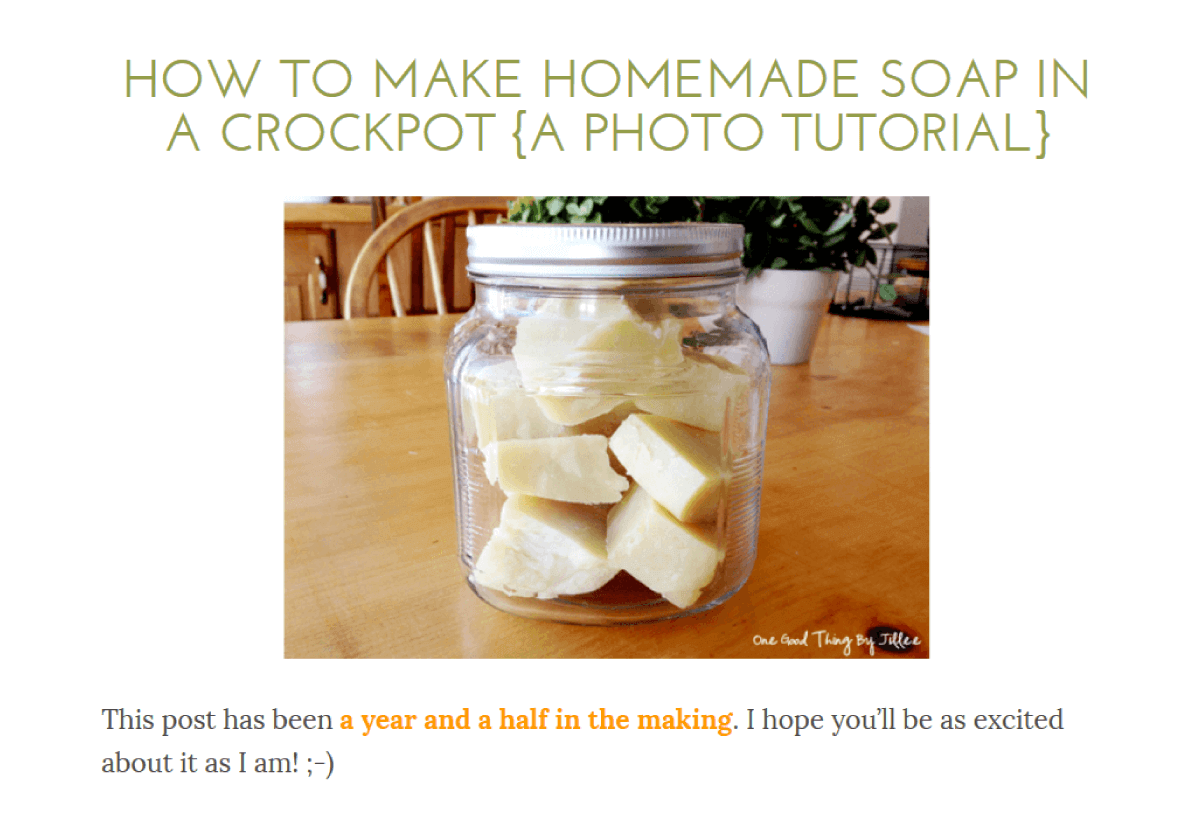
- Find bloggers for your niche that might be interested in what it's important to offer. If you sell an information product that teaches people learn how to make their very own soaps, you’d Google things like “soap making”, “make soap at home” etc.
- Your results shall be a mixed bag of blogs, news internet sites and “how to” web pages like eHow. Filter out how-to sites or news sites. You’ll be left with a solid list bloggers that will be interested by your offer, like this one:
- achieve out to them with this email script:
Hey [Site Owner Name],
i was looking for [Some Homemade Soap Recipes] lately when I came across [Website].
Awesome stuff!
in truth, I just launched a guide that [Teaches folks how you can Make Luxury Soaps At Home]. I generally charge [$X], but I’d be very happy to send it over to you on the house.
Let me know how that sounds.
Cheers,
[Your First Name]
One word of warning: you want to be VERY careful concerning the language you use for this strategy.
Note how you don’t offer your product in exchange for a link or review… which might violate Google’s Webmaster Guidelines.
as a substitute, send them the product and let them come to a decision if it’s worth a mention on their blog.
Link Reclamation
Link reclamation is simple:
First, find mentions of your company that don’t link in your web page.
Here’s an example:

See how the author of that article above mentioned my website… but didn’t link to it?
That’s where link reclamation comes into play.
rather than saying “I wish they linked to me”, you proactively succeed in out and ask them to link.
In my enjoy, a friendly reminder is generally enough to get most of the people to log into WordPress and add your link.
Here’s the step-by-step process:
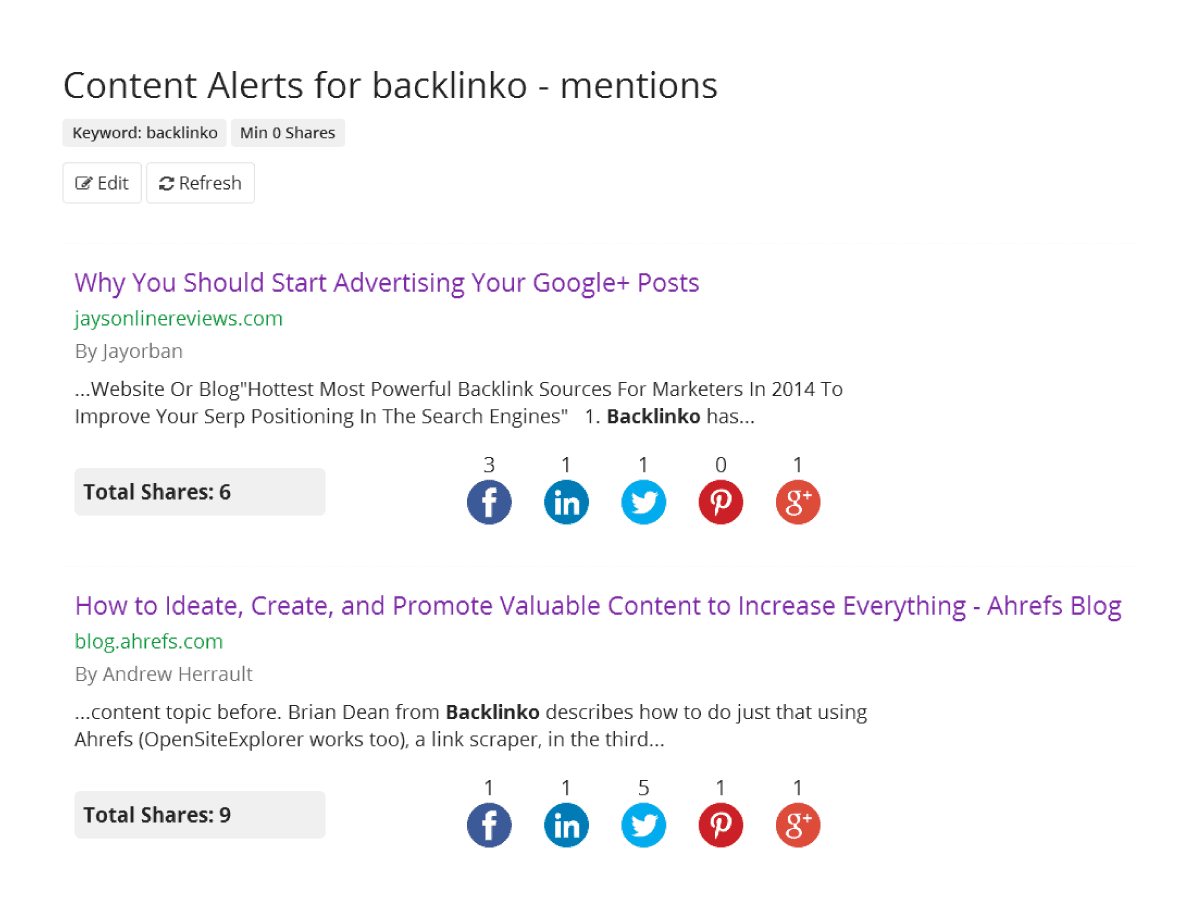
- Use a tool like BuzzSumo and Mention.com to find mentions of your brand online.
while you do, you’ll get a heads up whenever any individual writes about you:
- Check to peer whether or not the individual that mentioned you also linked back to your web page (either your homepage or internal page). If they linked to your website, you’re set.
If no longer, move onto step #3…
- Send them this friendly email.Hey [Name],
I just sought after to achieve out and say “thanks” for mentioning [Your Brand] for your very good article the day before today.
we actually, actually appreciate it.
I’m reaching out as of late to ask if you want to add a link back to our web site. That way, folks can easily find us while reading your article.
Either way, thank you for the shout out and keep up the great work!
thanks,
[Your First Name]
Use HARO
HARO (short for assist a Reporter Out) is the easiest way to get high authority one-way links from news sites.
Here’s how HARO works:
- sign up To HARO as a source here.
- You’ll get three emails per day from reporters searching for sources, like this one:
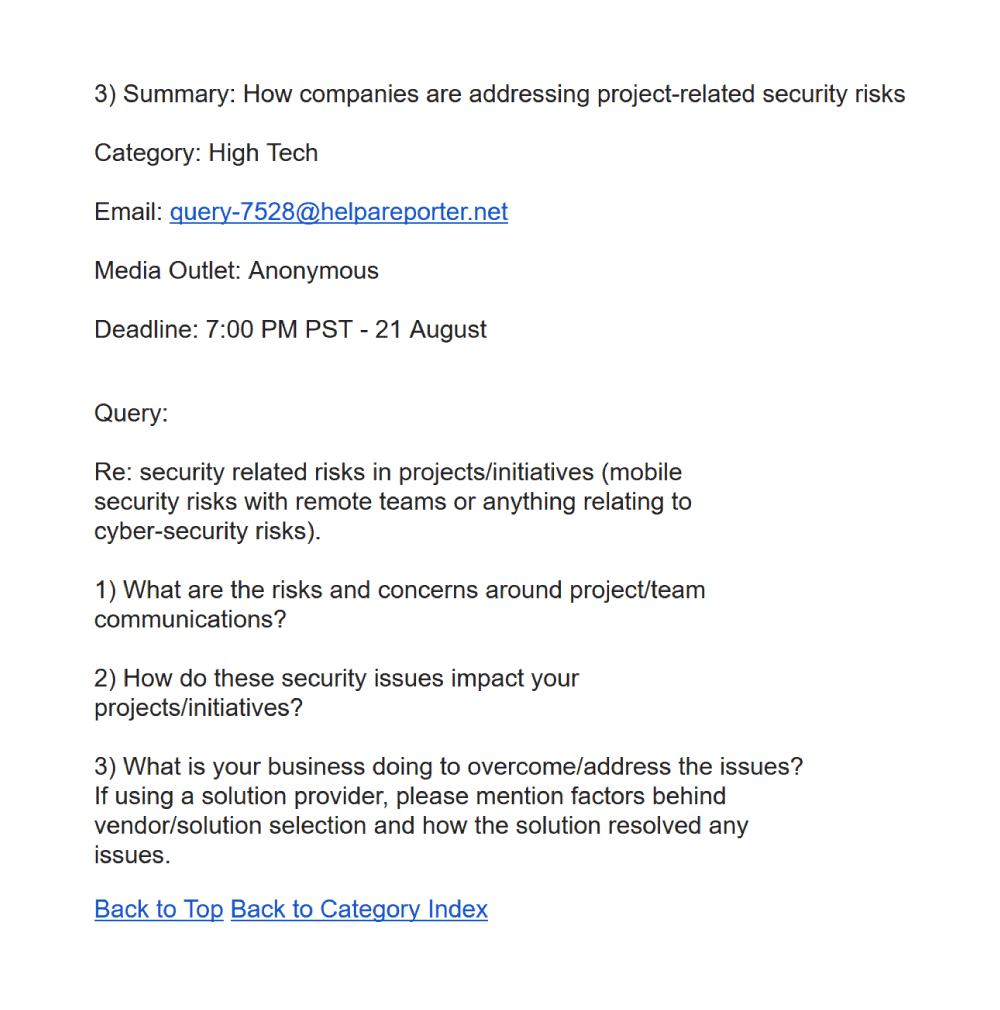
- Respond with your credentials and a few helpful tips.
Easy right? You give a reporter a quote and they’ll hook you up with a one-way link.
That’s all there may be to it.
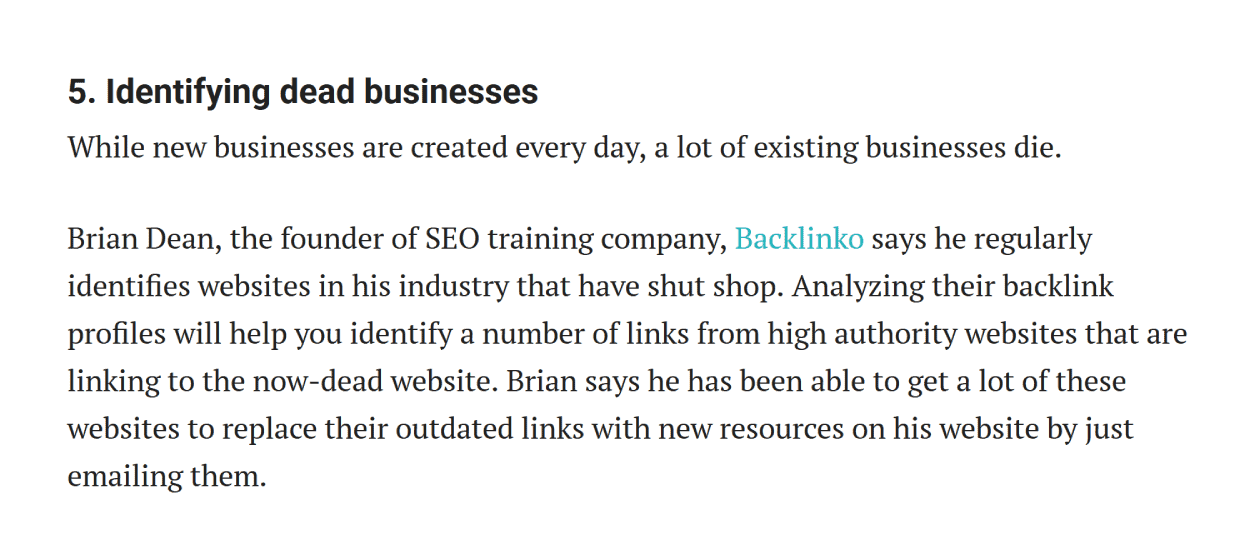
as an example, recently were given a sweet link from Entrepreneur.com by replying to a HARO request:
Reverse Engineer Your Competitor’s inbound links
every industry has its own set of link building opportunities.
So I recommend setting aside a while to reverse engineer your competition. That way, you'll discover link opportunities that only exist for your niche.
How about an example?
Let’s say you run a health and fitness blog.
And one in every of your competitors is Nerd Fitness.
Well, when I take a look at that site’s link profile in a oneway link checker, I notice that numerous their links come from podcasts:
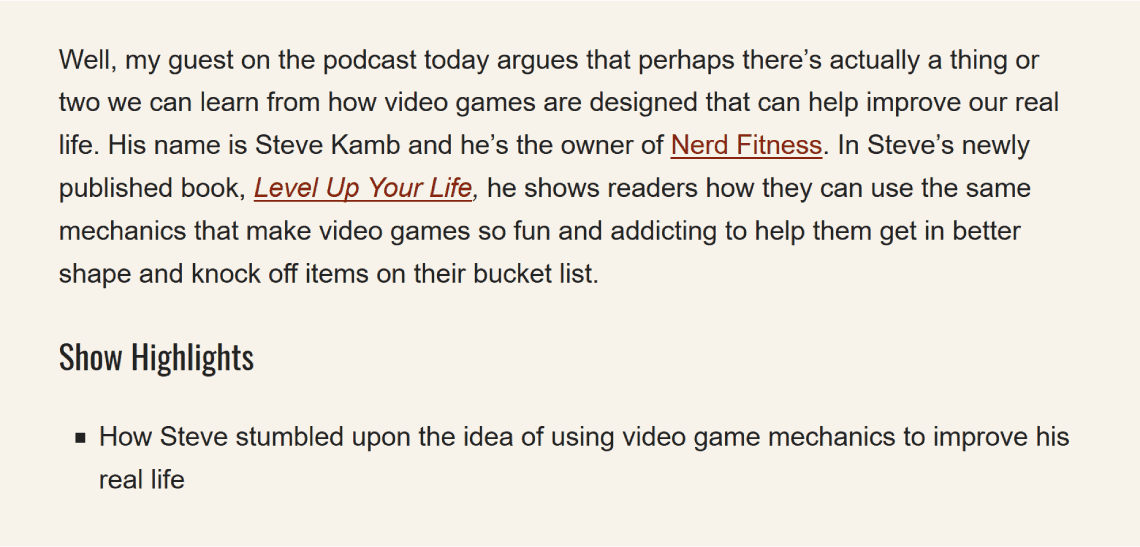
Specifically, people from that company (especially the founder, Steve Kamb) appear on other people’s podcasts as guests.
just like that you've got a nice list of places that you may go to get links.
(Obviously, you must achieve out to the those who run those podcasts and pitch yourself as a guest. Which takes work. But a minimum of you know where to start).
persist with Content Formats That Generate Links
Like I mentioned earlier, infographics are one content format that’s ideal for building back links.
But it’s one of many.
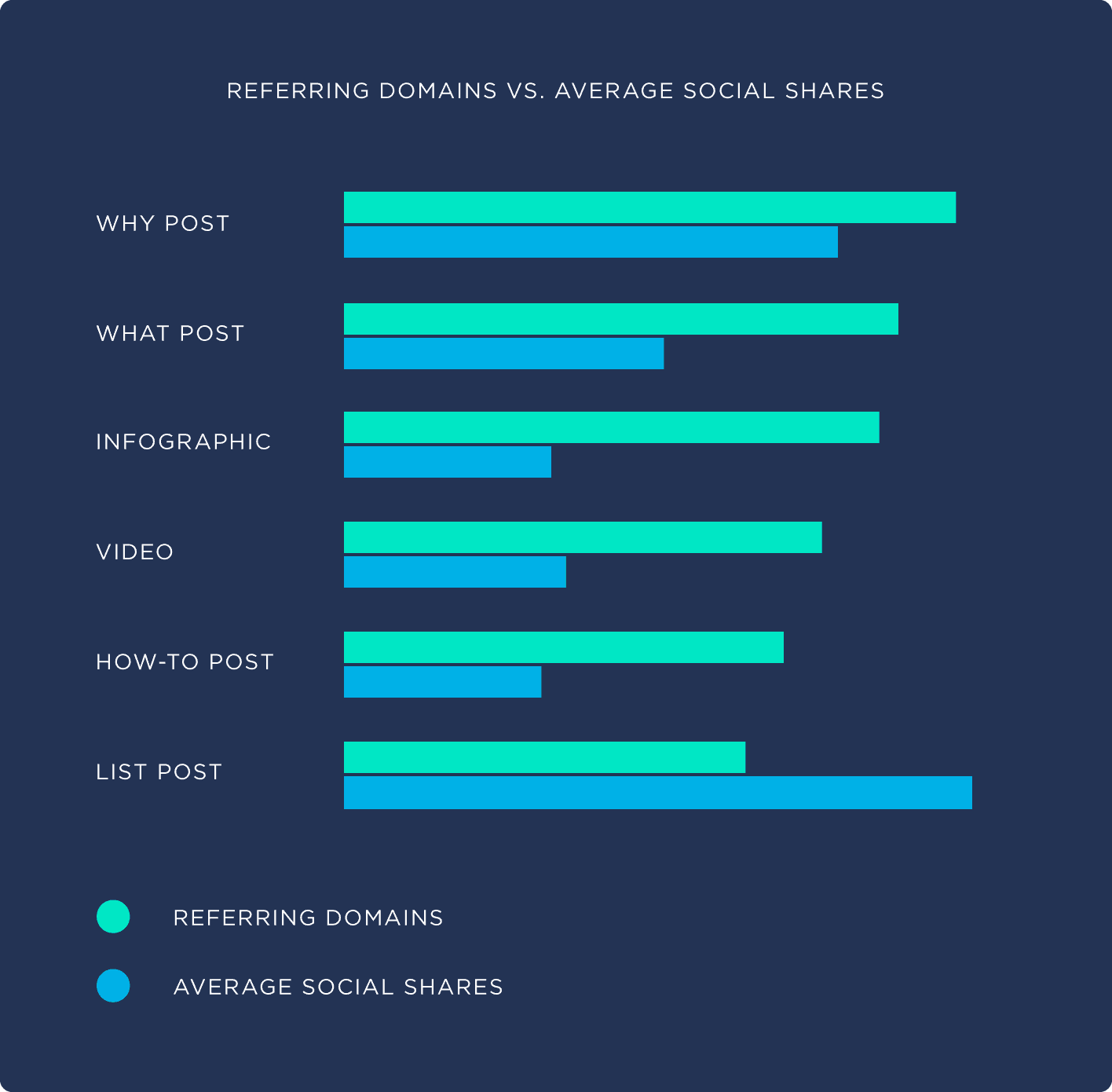
We also found that, although they didn’t generate a number of social media shares, “Why posts” and “What posts” tended to get linked-to very often.
Learn More
Link Building: how one can Get Powerful back-links: Video tutorial that shows you easy methods to build backlinks to your website online using white hat search engine marketing techniques.
methods to Get top quality back-links (7 New Strategies): this is an up to date list of link building strategies that target building new backlinks from authority websites.
15 Awesome Link Building Tools: If you’re thinking about link building, you’ll need tools to help you do the job. Here’s a list of the most productive of the bunch.
the best way to Do a Basic one way link Analysis to your Competitors: discover ways to evaluate your competitors one-way links.


0 Nhận xét